Bodhi Sambad 2026
CESIF Nepal

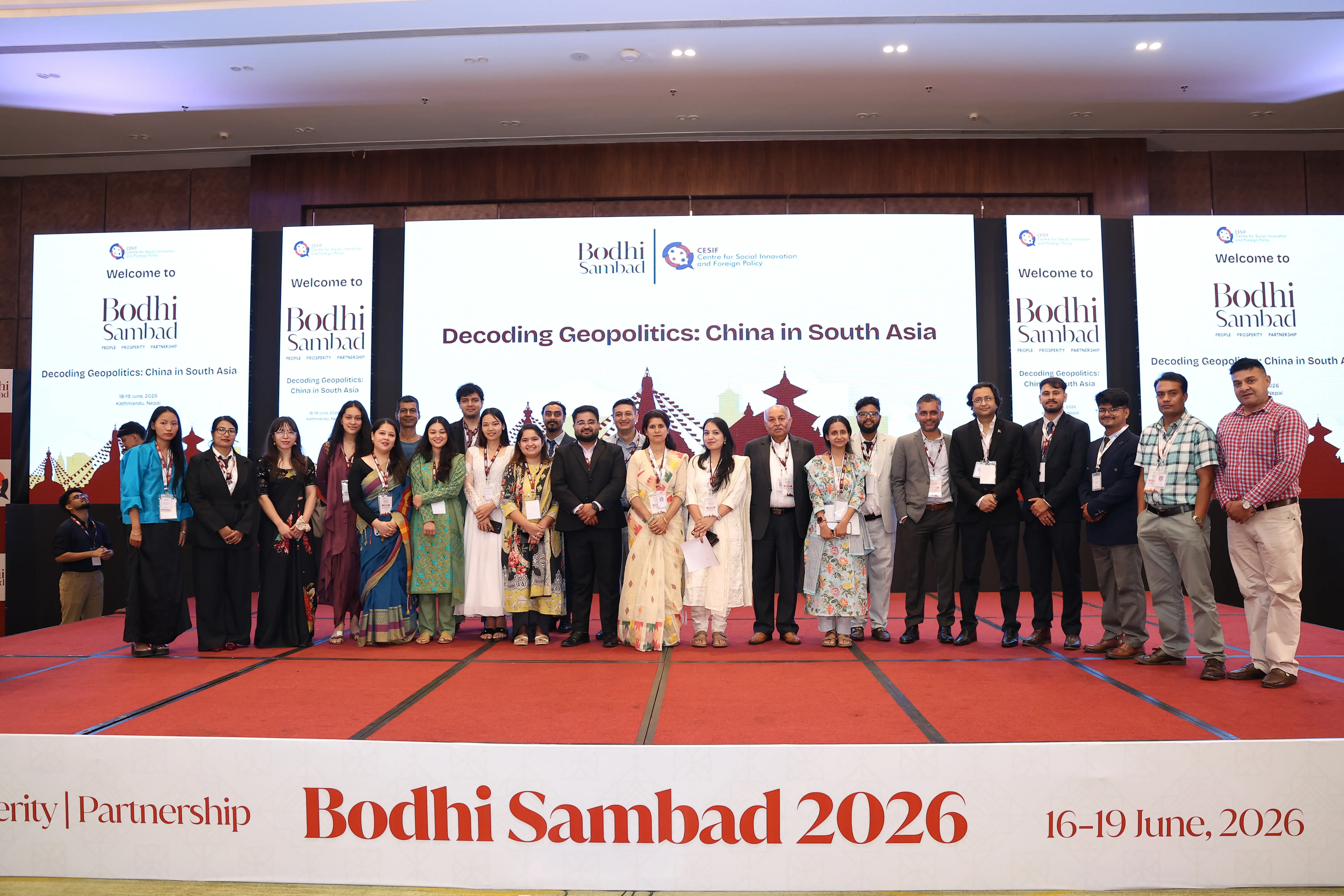
Organized by the Centre for Social Innovation & Foreign Policy (CESIF) at the Hotel Royal Tulip in Kathmandu from June 16 to 19, 2026, Bodhi Sambad (Enlightened Dialogue) was a landmark initiative that revived the Kathmandu Valley's historic identity as a neutral, intellectual sanctuary. Moving away from adversarial debate, the four-day event drew inspiration from the South Asian tradition of vada to foster collaborative, evidence-based dialogue across economic reform, sector-specific growth, regional geopolitics, digital sovereignty, and cultural diplomacy.
The overarching key highlight of the dialogue was the declaration of the "end of the buffer state era". The forum emphasized that South Asian nations must transition from being passive arenas of great power rivalry into proactive, agency-driven actors. A recurring theme across all sessions was that domestic institutional strength, deep governance reforms, and absolute adherence to the rule of law are essential for attracting foreign investment, building digital infrastructure, securing border regions, and maintaining strategic autonomy amidst shifting geopolitical dynamics.
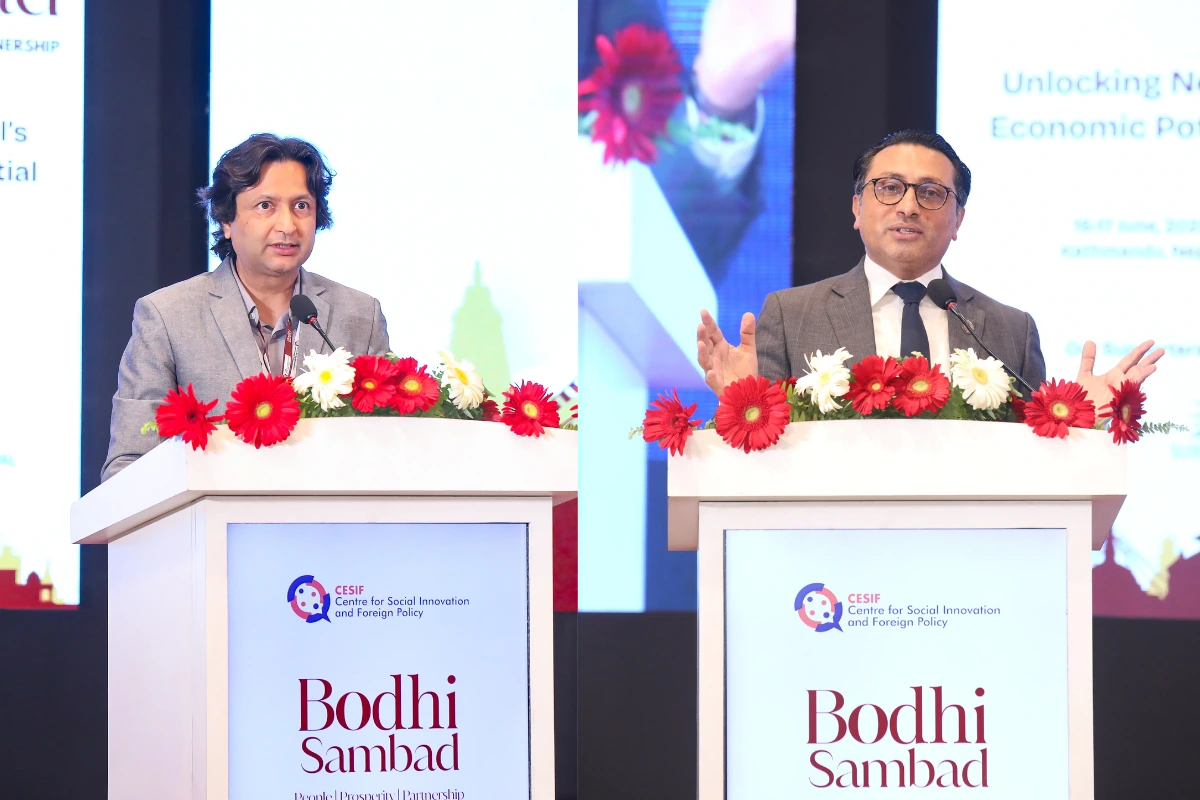
The inaugural day opened with a keynote address by Nepal's Honorable Finance Minister, Dr. Swarnim Wagle, who declared that Nepal is at a critical juncture requiring bold decisions to overcome a national crisis of confidence. He unveiled a "Reform 2.0" vision aimed at pivoting the nation from consumption to production and leveraging its hydropower potential alongside AI and data centers.
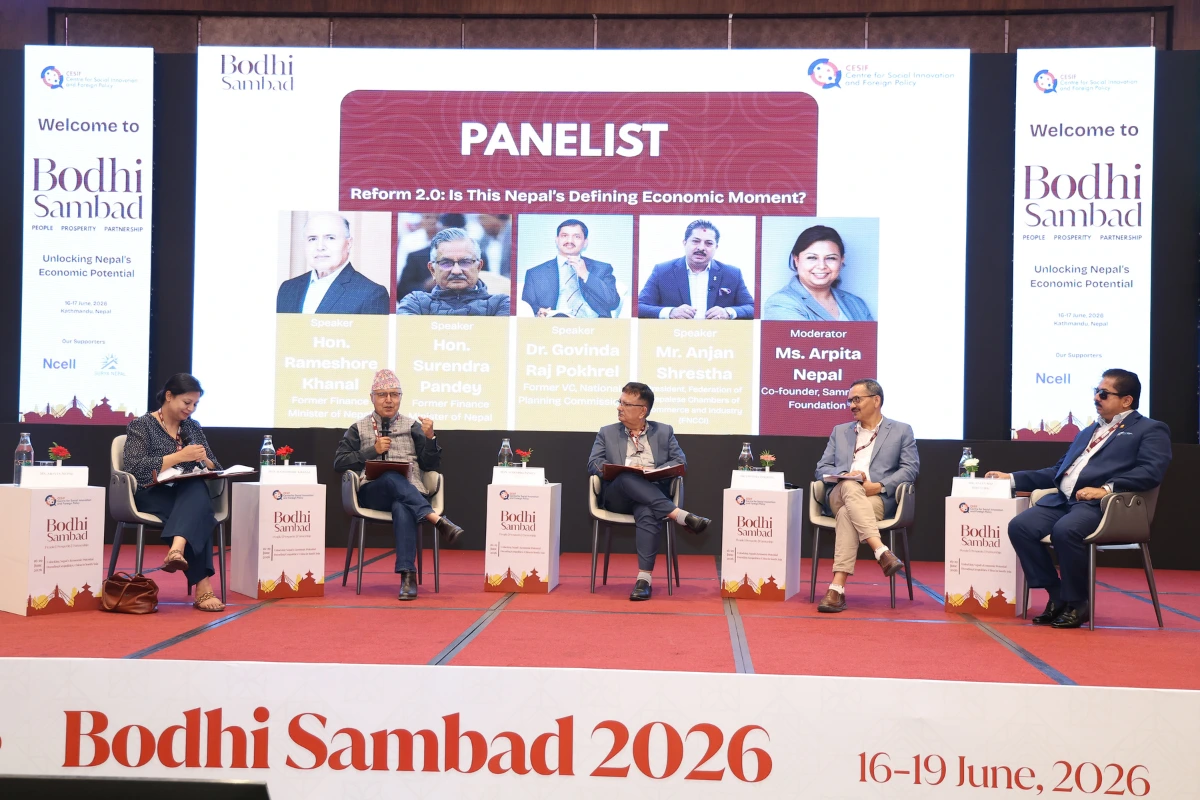
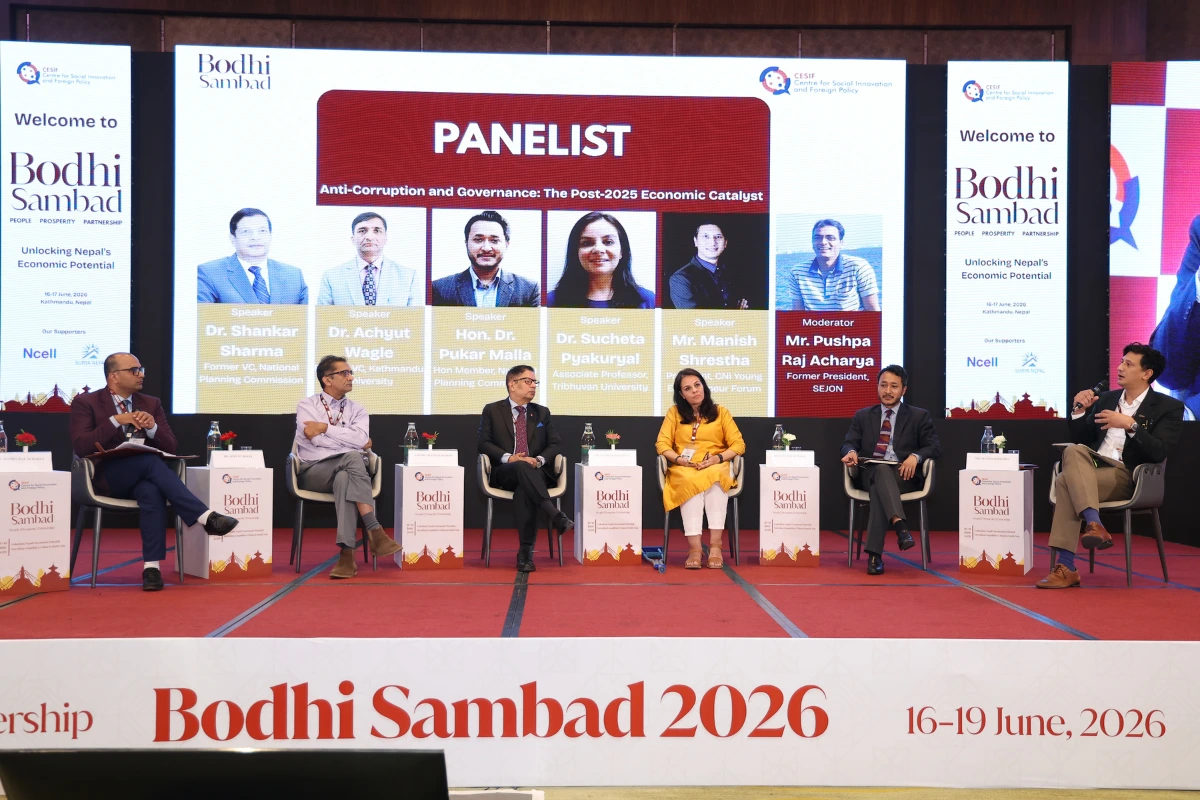
In the first panel, "Reform 2.0: Is This Nepal’s Defining Economic Moment?", panelists Hon. Rameshore Khanal, Mr. Anjan Shrestha, Hon. Surendra Pandey, and Dr. Govinda Raj Pokhrel analyzed structural economic bottlenecks. They contextualized public debt anxieties, sharply criticized the central bureaucracy's tight control over human resources, and urged a move toward long-term power purchase agreements (PPAs) with India alongside upgraded logistics corridors. The second panel, "Anti-Corruption and Governance: The Post-2025 Economic Catalyst", featured Dr. Shankar Sharma, Dr. Achyut Wagle, Dr. Sucheta Pyakuryal, Hon. Dr. Pukar Malla, and Mr. Manish Shrestha. The discussion outcome highlighted the systemic roots of bureaucratic paralysis, the inefficiency of fragmented land plots, and the urgent need to shift focus from merely enforcing laws to reforming the law-making process itself.
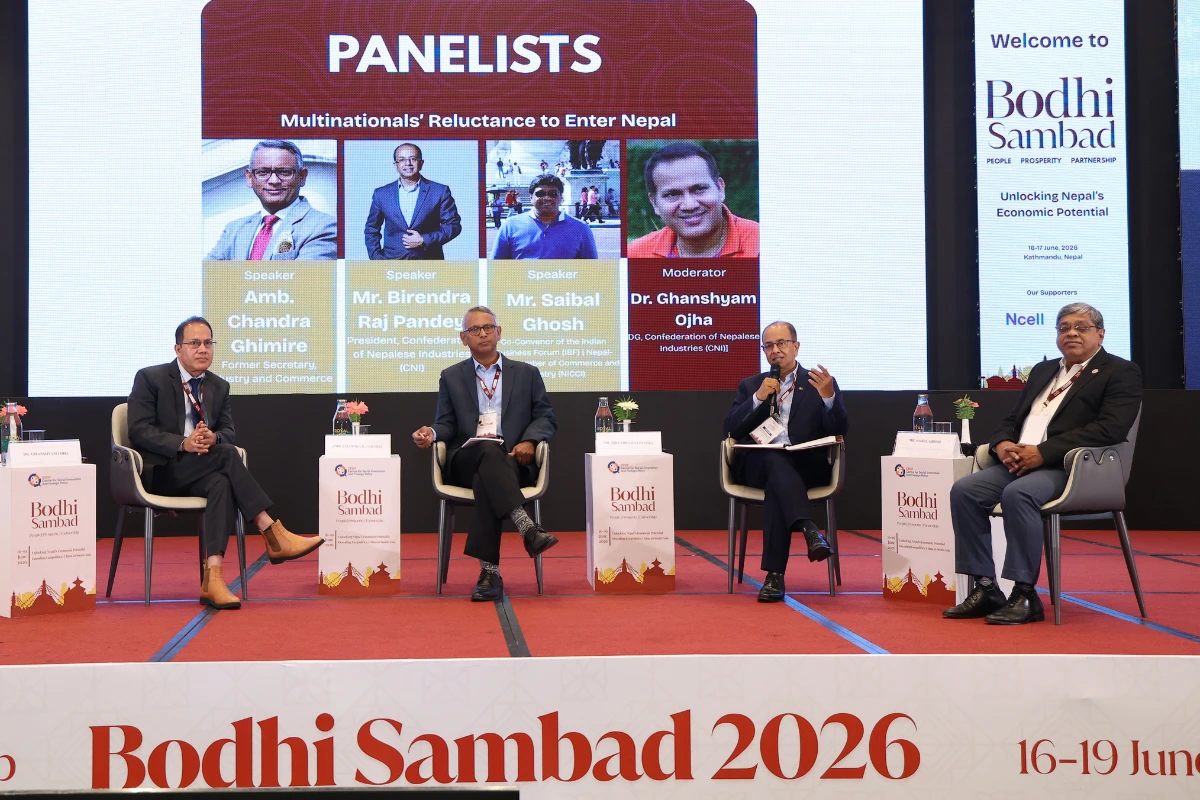
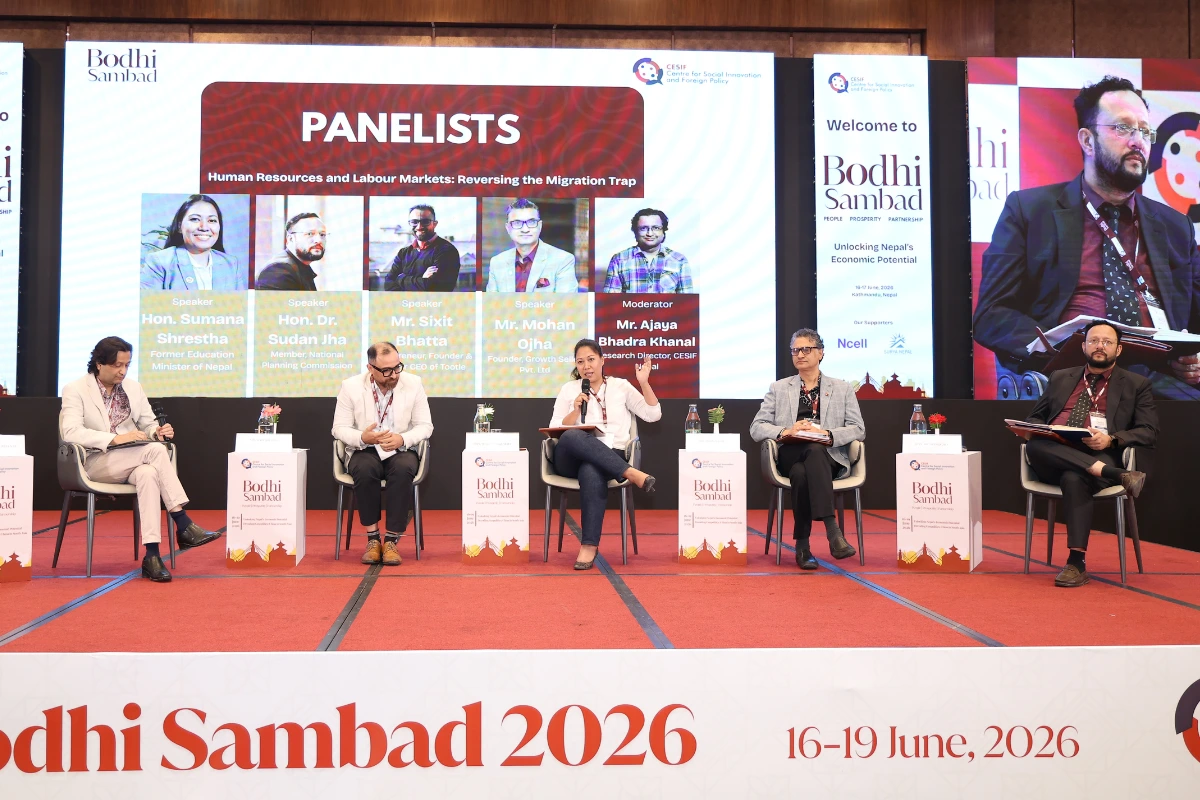
The day's first panel, "Multinationals’ Reluctance to Enter Nepal", featuring CNI President Birendra Raj Pandey, Amb. Chandra Ghimire, and Saibal Ghosh, tackled foreign direct investment (FDI) barriers. They concluded that Nepal must move from traditional political diplomacy to target-driven economic diplomacy while guaranteeing policy stability to prevent de-industrialization. The second panel, "Human Resources and Labour Markets: Reversing the Migration Trap", featured Mohan Ojha, Hon. Sumana Shrestha, Sixit Bhatta, and Hon. Dr. Sudan Jha. They identified "credential inflation" and lack of capital as major drivers of youth flight, emphasizing the need for equitable Digital Public Infrastructure (DPI) and highlighting a national plan to train 15,000 export-ready AI professionals.
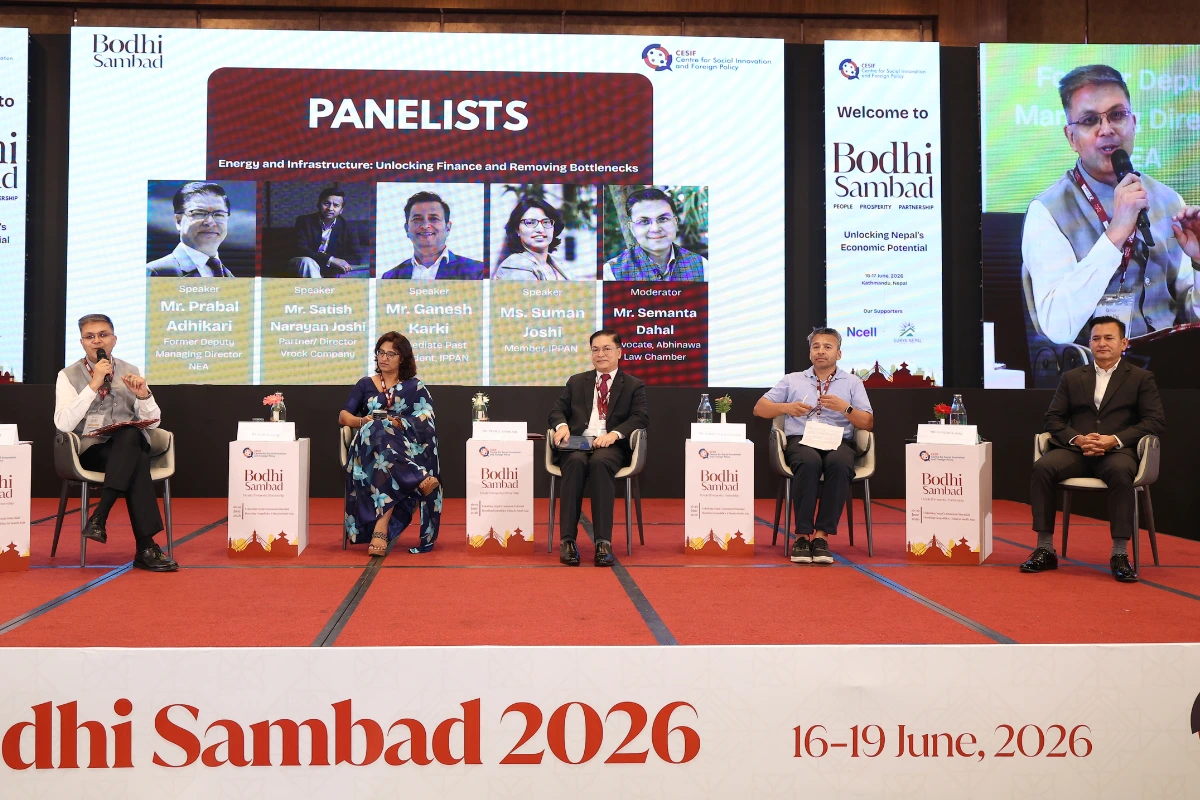
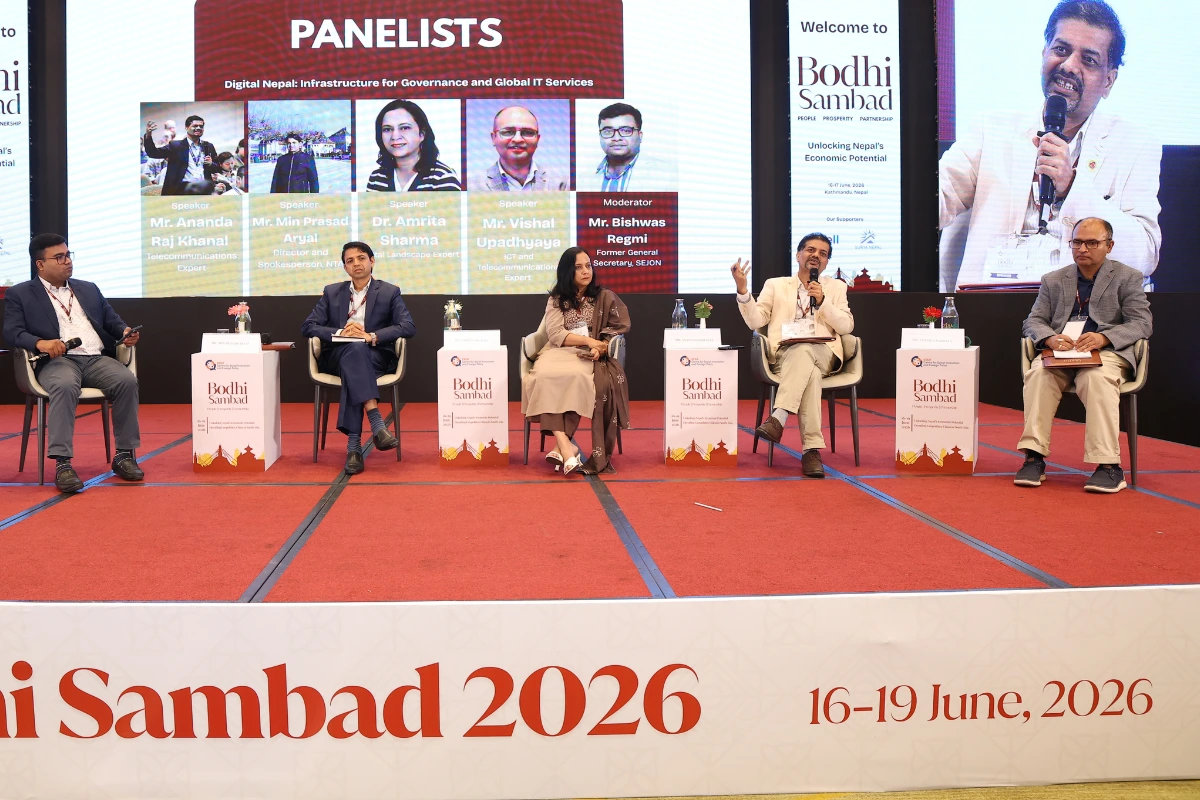 The third panel, "Energy and Infrastructure: Unlocking Finance and Removing Bottlenecks", brought together Ganesh Karki, Satish Narayan Joshi, Suman Joshi, and Prabal Adhikari. They outlined massive grid modernization deficits, called for private-sector involvement in direct power sales, and noted the complex geopolitical realities of cross-border energy trade. Closing the day, the fourth panel, "Digital Nepal: Infrastructure for Governance and Global IT Services", featured Anand Raj Khanal, Min Prasad Aryal, Vishal Upadhyaya, and Dr. Amrita Sharma. The key outcome was a call to urgently overhaul the 30-year-old Telecommunications Act and build cloud computing, data center, and digital trust infrastructure on a "war footing".
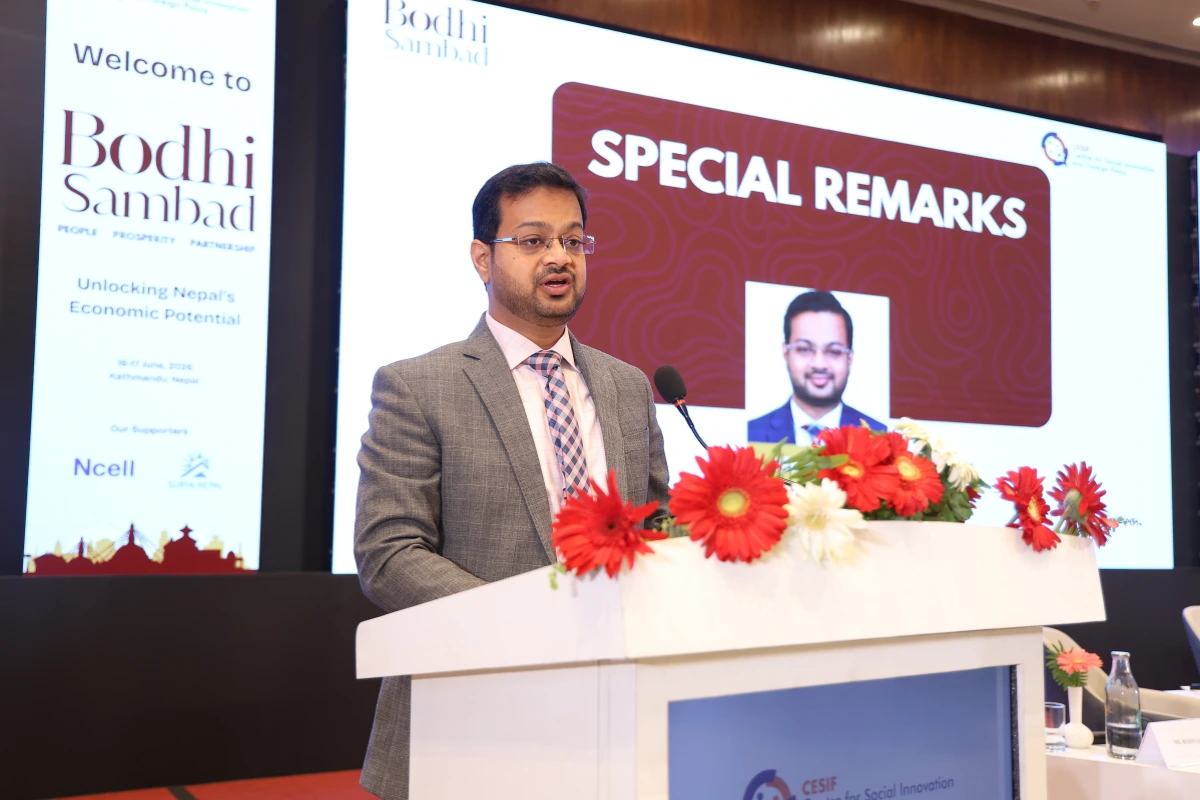 The second day ended with a special address by Mr. Pranav Kumar Gupta, the IMF Resident Representative for Nepal, who highlighted the economy's resilience through recent shocks and expressed optimism for medium-term recovery driven by structural reforms and fiscal transparency.
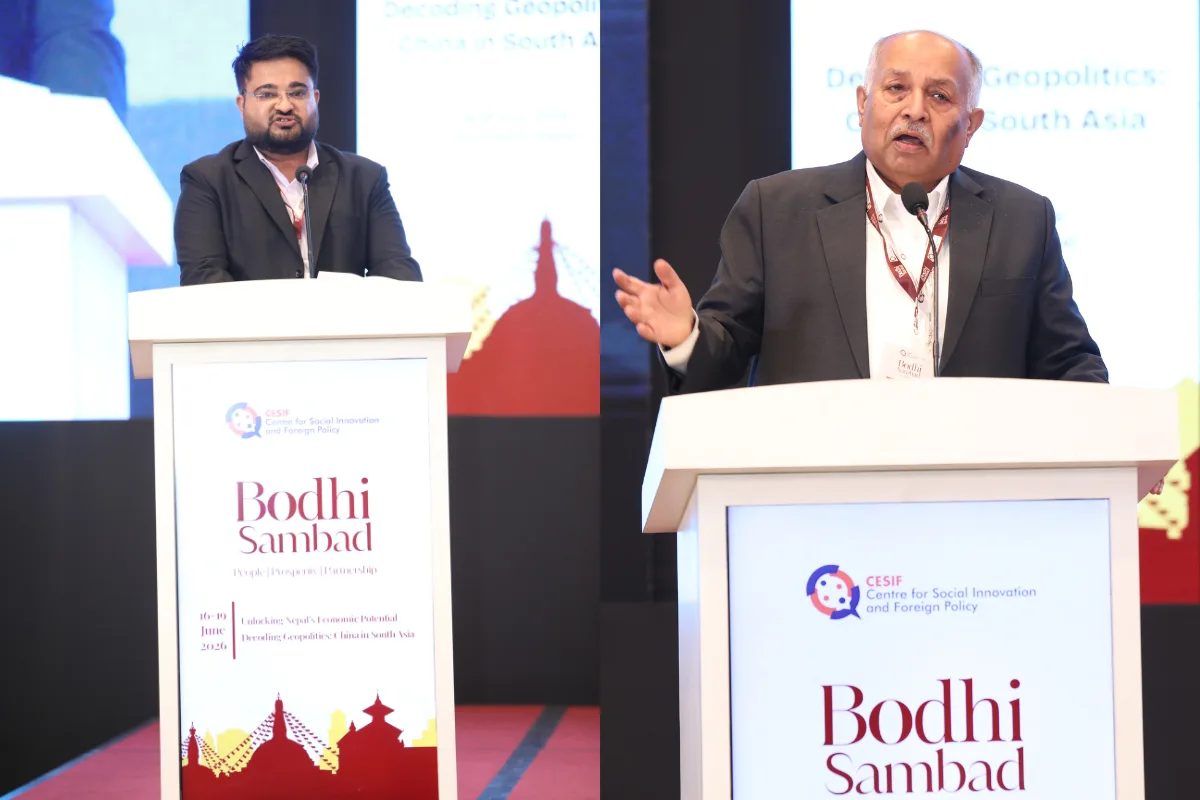
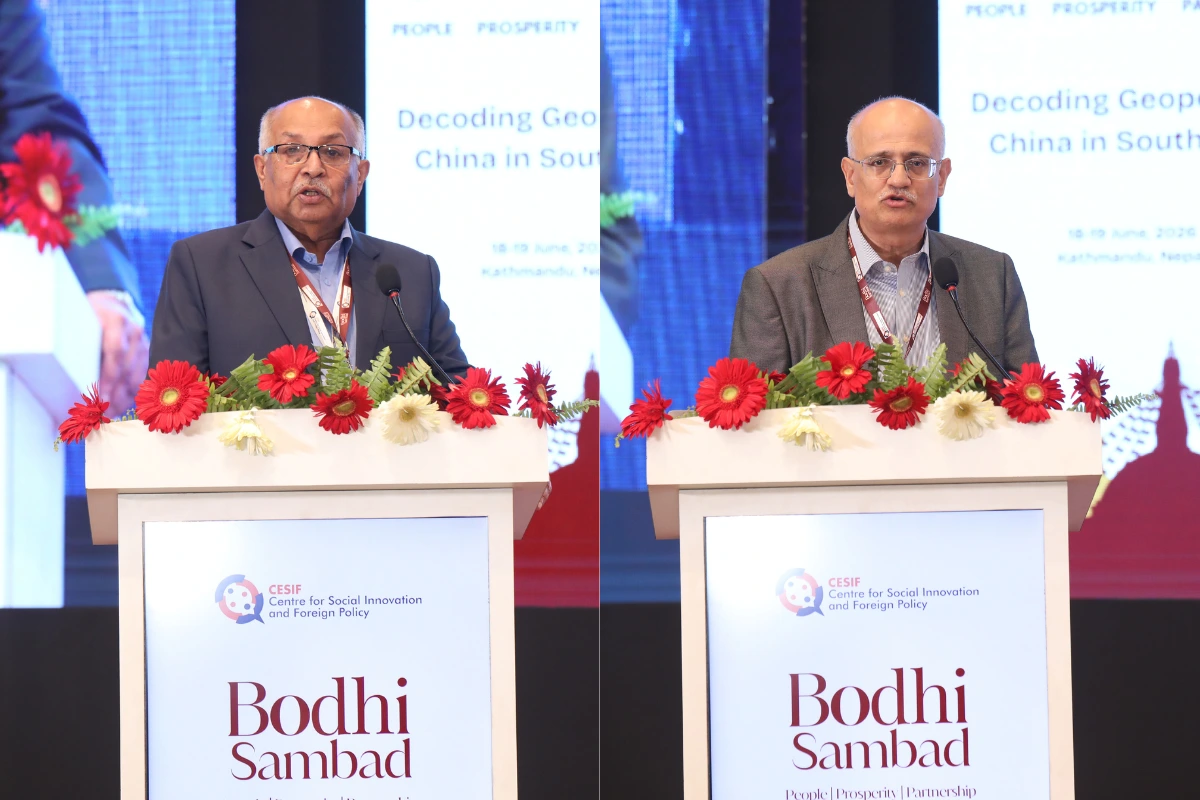 Day 3 shifted the focus to regional statecraft, opened by CESIF Executive Chairperson Amb. Vijay Kanta Karna and followed by a keynote address by former Indian Foreign Secretary Amb. Vijay Keshav Gokhale. Gokhale detailed China's expanding, long-term footprint in South Asian security, politics, and digital spaces, while emphasizing the resilience of democratic systems.
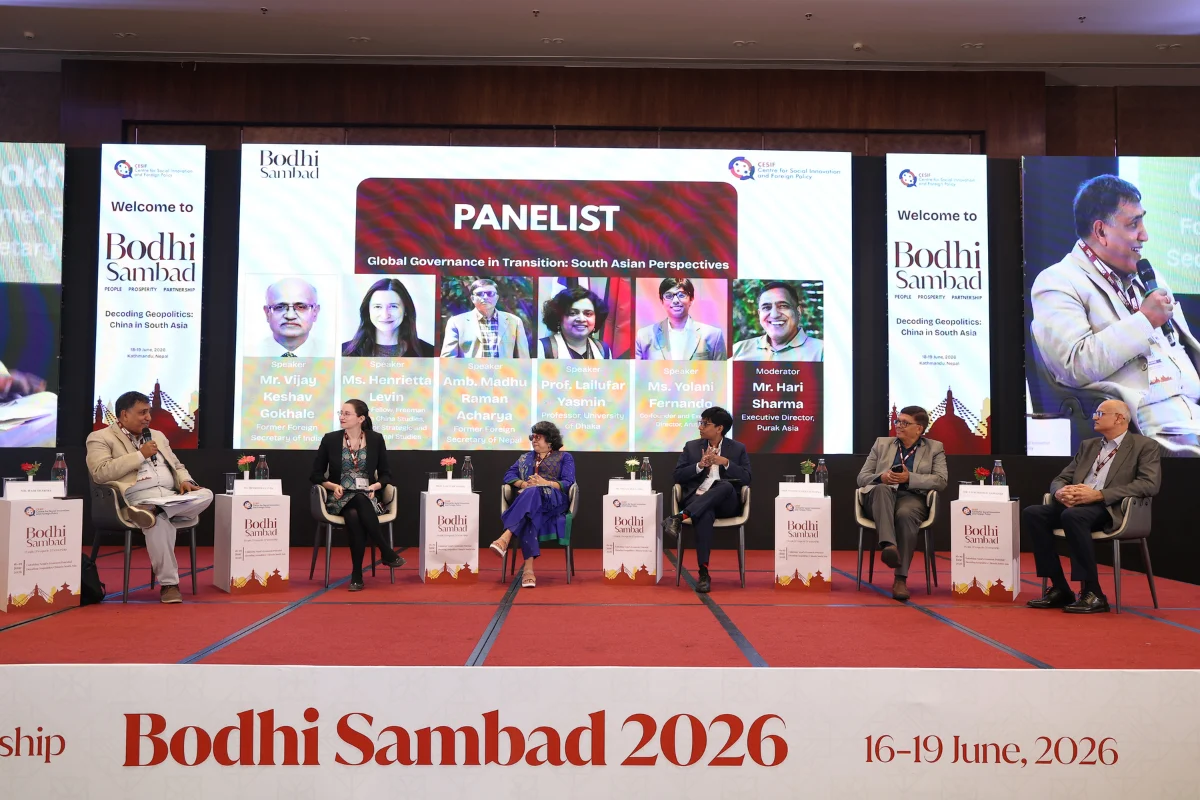
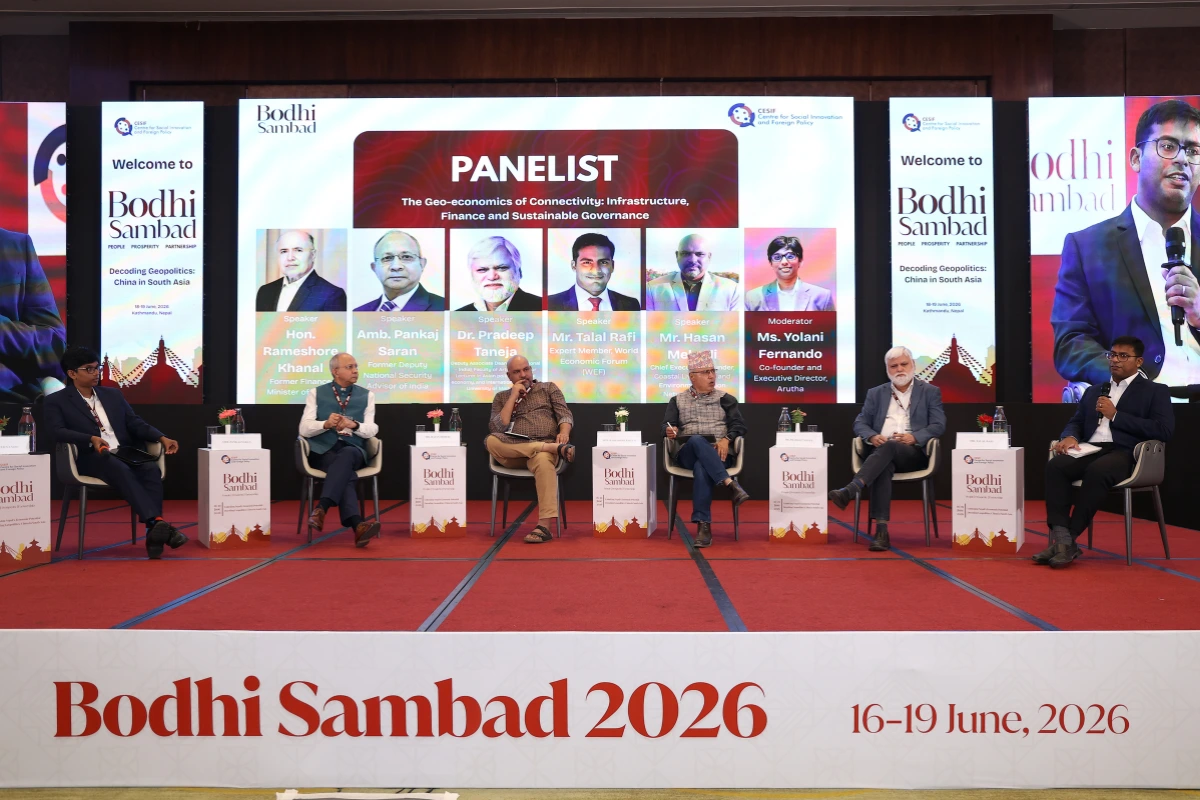 The first panel, "Chinese Diplomacy and Asymmetry in South Asia", moderated by Hari Sharma and featuring Henrietta Levin, Amb. Madhu Raman Acharya, Prof. Lailufar Yasmin, and Yolani Fernando, examined China's Sinocentric governance strategy. The panel concluded that regional states must execute deep domestic governance reforms rather than blaming external debt traps. The second panel, "Infrastructure, Financial Resilience, and Small-State Agency in South Asia", featured Amb. Pankaj Saran, Hasan Mehedi, Rameshwor Khanal, Talal Rafi, and Dr. Pradeep Taneja. They warned against "infinite dependency" on foreign digital standards and emphasized that small states can exercise real agency through pre-award project audits, political cohesion, and niche specialization.
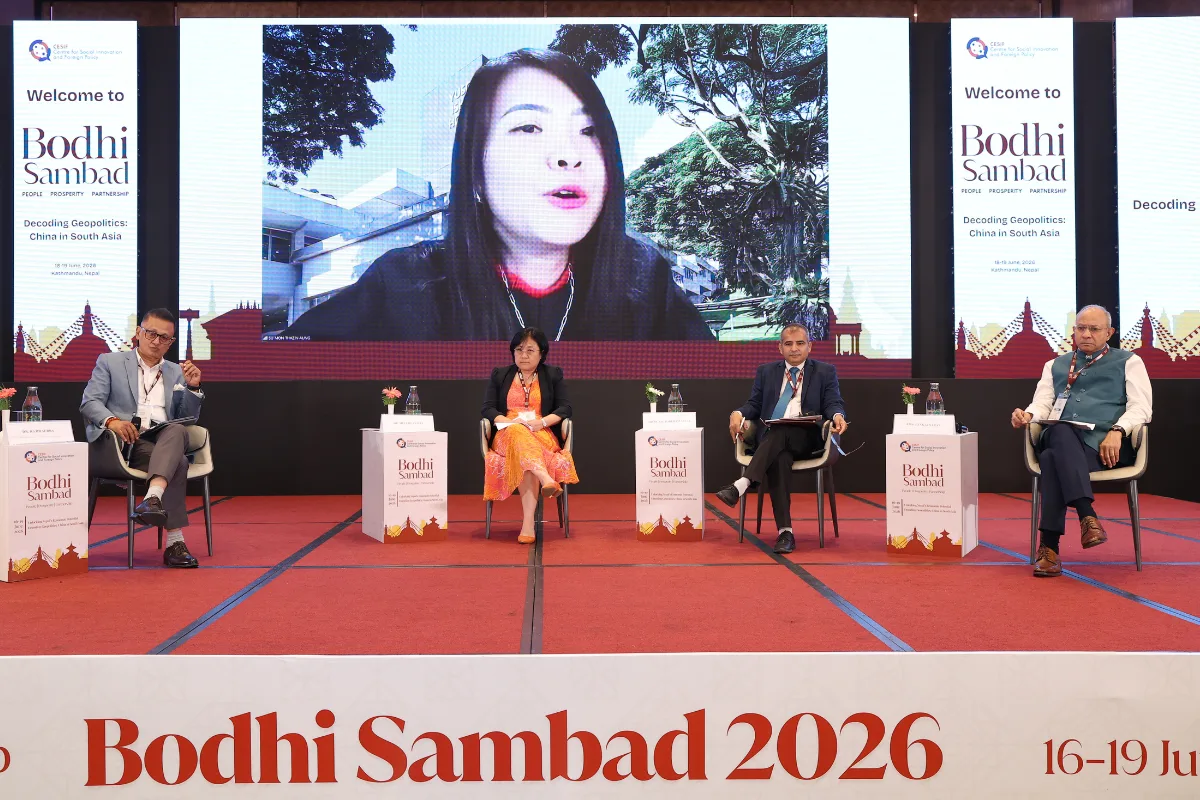
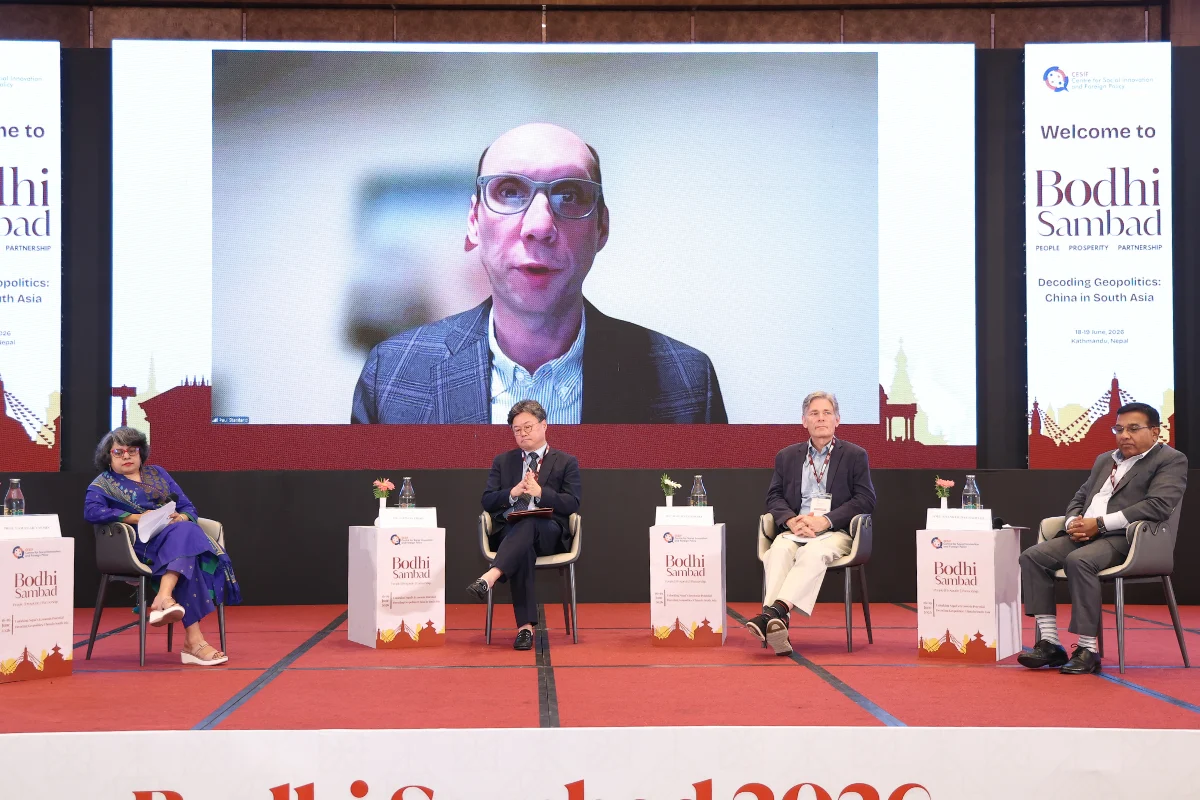
In the third panel, "The Virtual Domain: Infrastructure Dependency, Surveillance, and Information Disorder", Baburam Aryal, Amb. Pankaj Saran, Dr. Su Mon Thazin Aung, and Dr. Mei-Chuan Wei discussed technological colonialism and cognitive warfare, urging smaller nations to build standalone data protection laws, indigenous digital infrastructure, and "Sovereign AI". The final panel, "The Statecraft of Autonomy: Economic Coercion, Political Volatility, and Small-State Agency", featuring Shanker Das Bairagi, Tom Malinowski, Dr. Jaewoo Choo, and Prof. Paul Staniland, emphasized that smaller nations must build strong domestic consensus to speak with a single voice internationally and leverage domestic political shifts to renegotiate unequal deals.
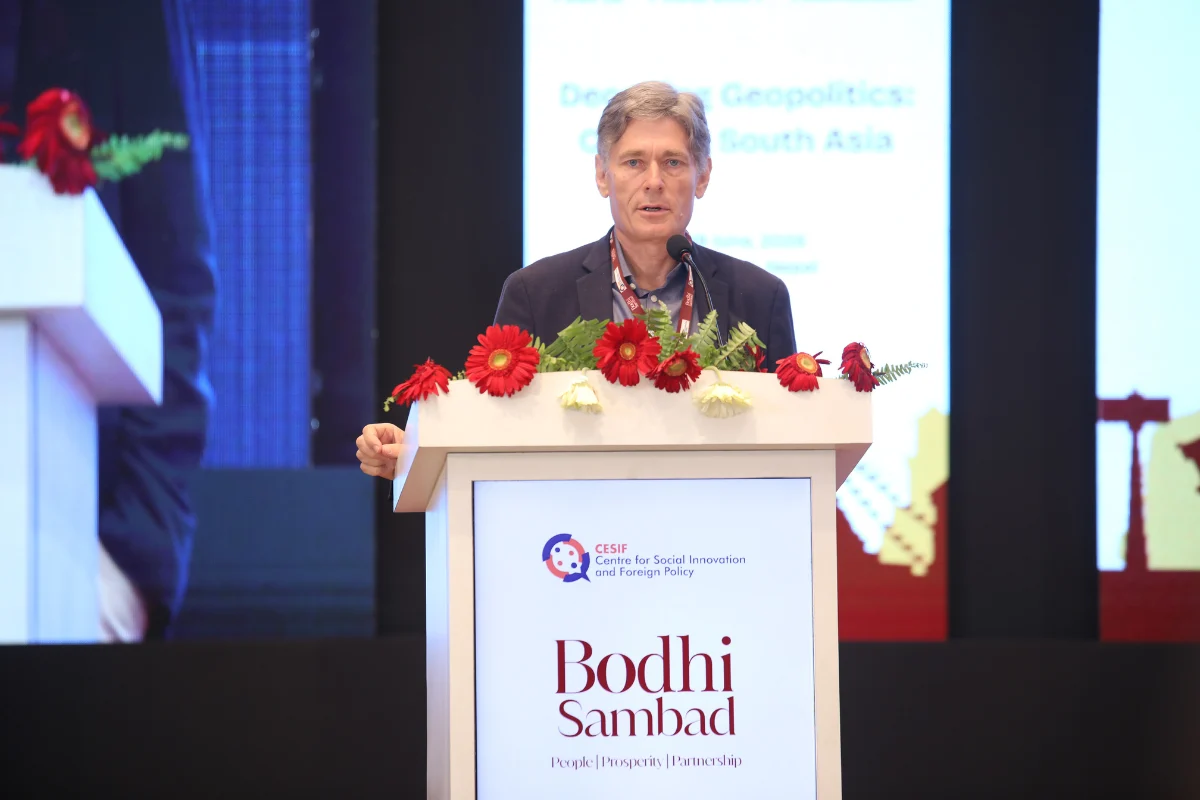
The final day opened with a keynote address by former U.S. Assistant Secretary of State Tom Malinowski, who urged smaller nations to act as "moral superpowers" by using democratic integrity, civic courage, and adherence to international law as shields against external coercion.
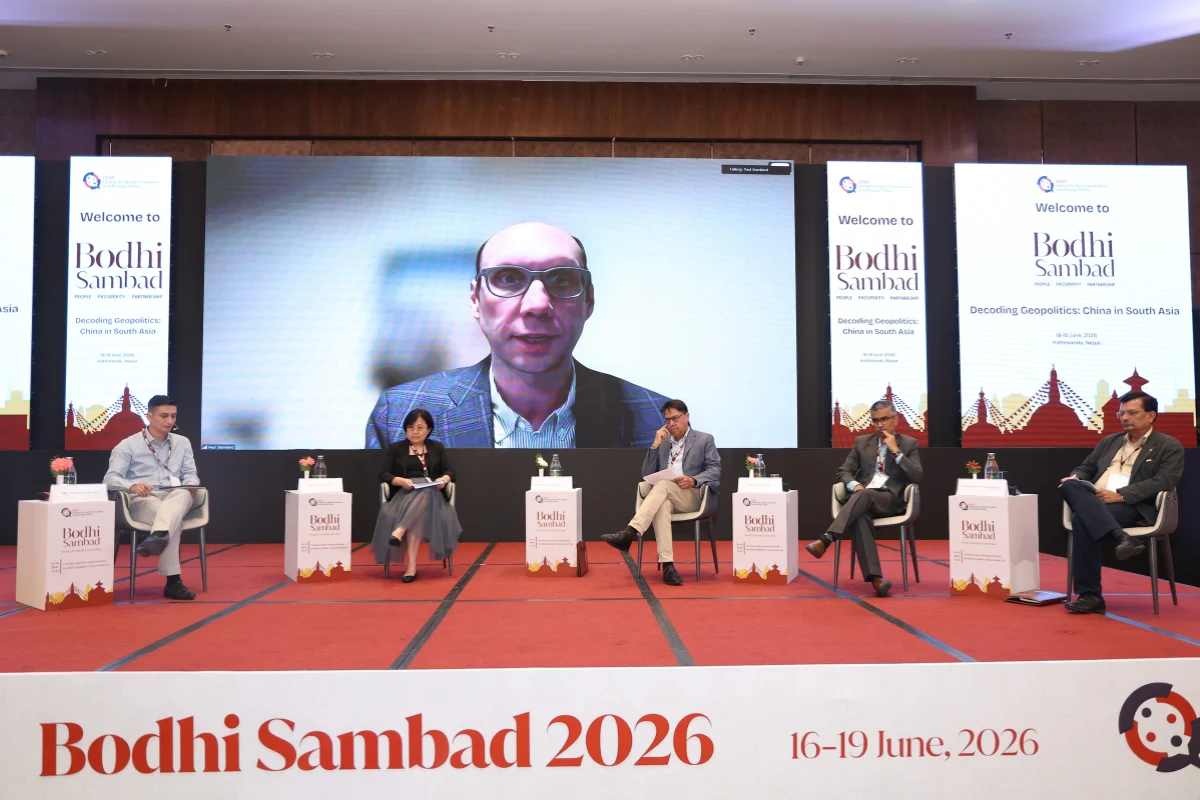
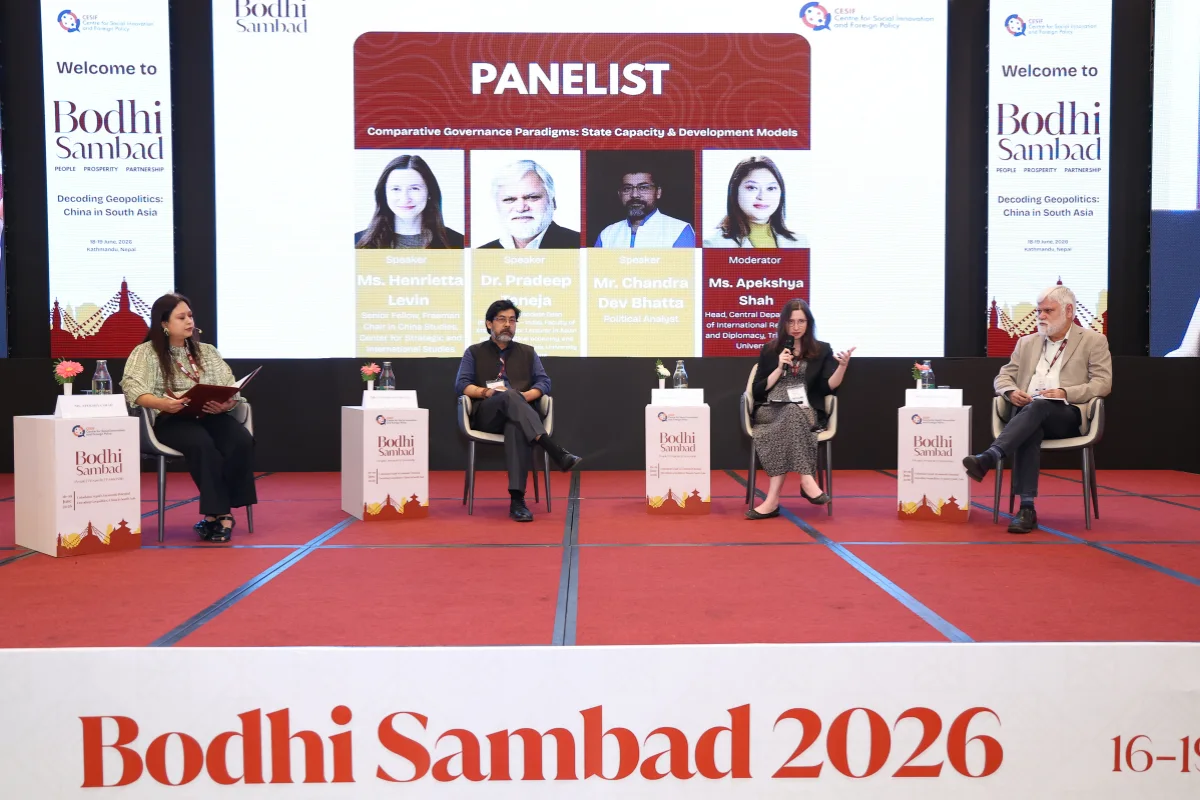
The fifth panel, "The Geopolitics of Heritage", featured Prof. Dr. Ramesh Dhungel, Dr. Jabin Jacob, Dr. Mei-Chuan Wei, Prof. Paul Staniland, and Akhilesh Upadhyay. The discussion concluded that Nepal should move beyond passive slogans to project soft power (Soumya Shakti) through its lived cultural traditions, such as the Kathmandu Valley's unique Newar Vajrayana heritage. In Panel 6, "Comparative Governance Paradigms", Henrietta Levin, Dr. Pradeep Taneja, and Chandra Dev Bhatta cautioned against imported development models and parallel NGO ecosystems that erode local state capacity.
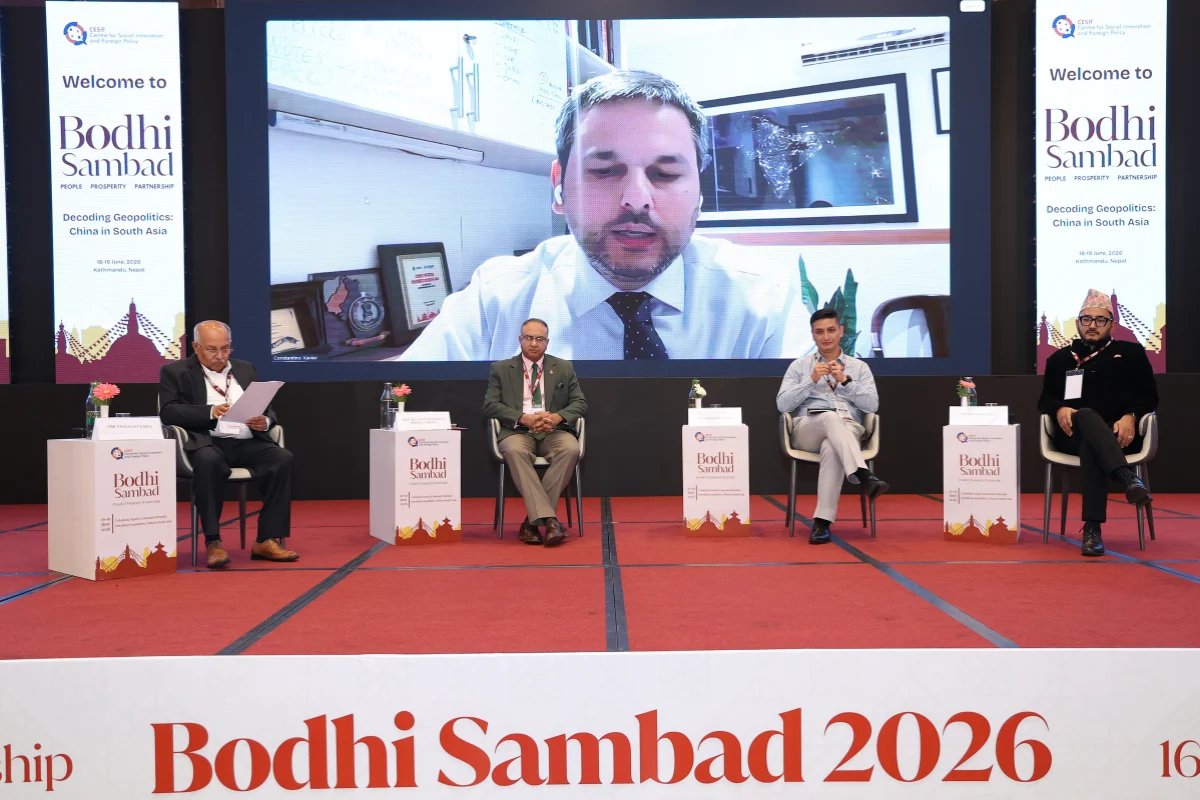
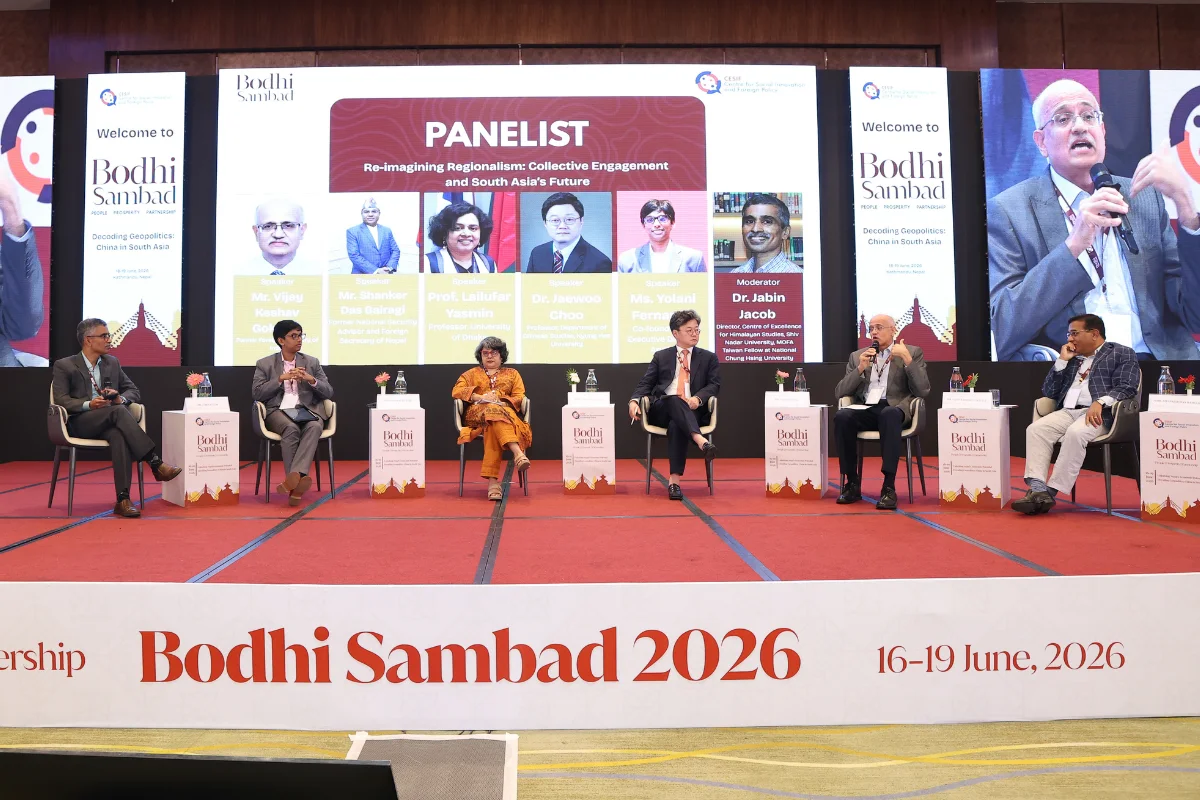
 Panel 7, "China at the Himalayan Frontiers", featured Dr. Constantino Xavier, Maj. Gen. Shantosh Ballav Poudyal (Retd), Amish Mulmi, and Dr. Binayak Sundas. Panelists called on India to adopt a "20/80 rebalancing" focused on economic delivery rather than security denial, while highlighting that retaining civilian border populations is the ultimate test of territorial sovereignty. The final panel of the conference, "Re-imagining Regionalism", brought together Shanker Das Bairagi, Amb. Vijay Keshav Gokhale, Prof. Lailufar Yasmin, Dr. Jaewoo Choo, and Yolani Fernando. They called for "decolonizing regionalism," moving past state-centric constructs, facilitating track-two diplomacy, and building private-sector market intelligence to translate high-level trade agreements into actionable economic opportunities.
