Contemporary Nepal-India Relations
CESIF Nepal

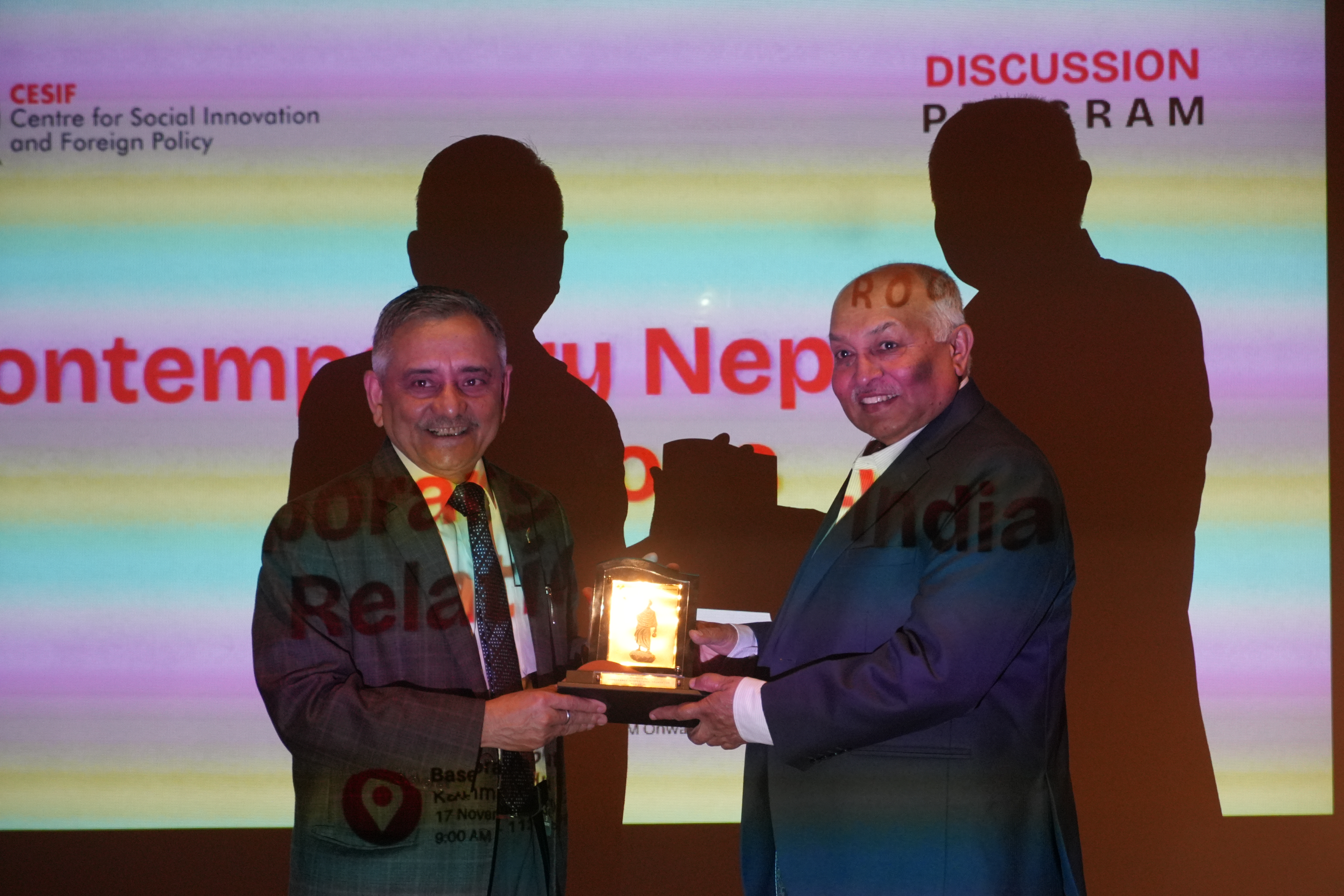
The Centre for Social Innovation and Foreign Policy (CESIF) hosted an event titled ‘Contemporary Nepal-India Relations’, bringing together representatives from the Government of Nepal, the Embassy of India, former Indian ambassadors to Nepal, the diplomatic community, academia, young scholars, and the media. The event was held ahead of Prime Minister Balen’s anticipated visit to India, which has attracted considerable interest in both countries. The discussion also took place amid wider regional challenges, including economic uncertainty, disruptions to global supply chains, geopolitical developments, and increasingly frequent climate-related disasters, underscoring the importance of close and cooperative relations between neighbours.
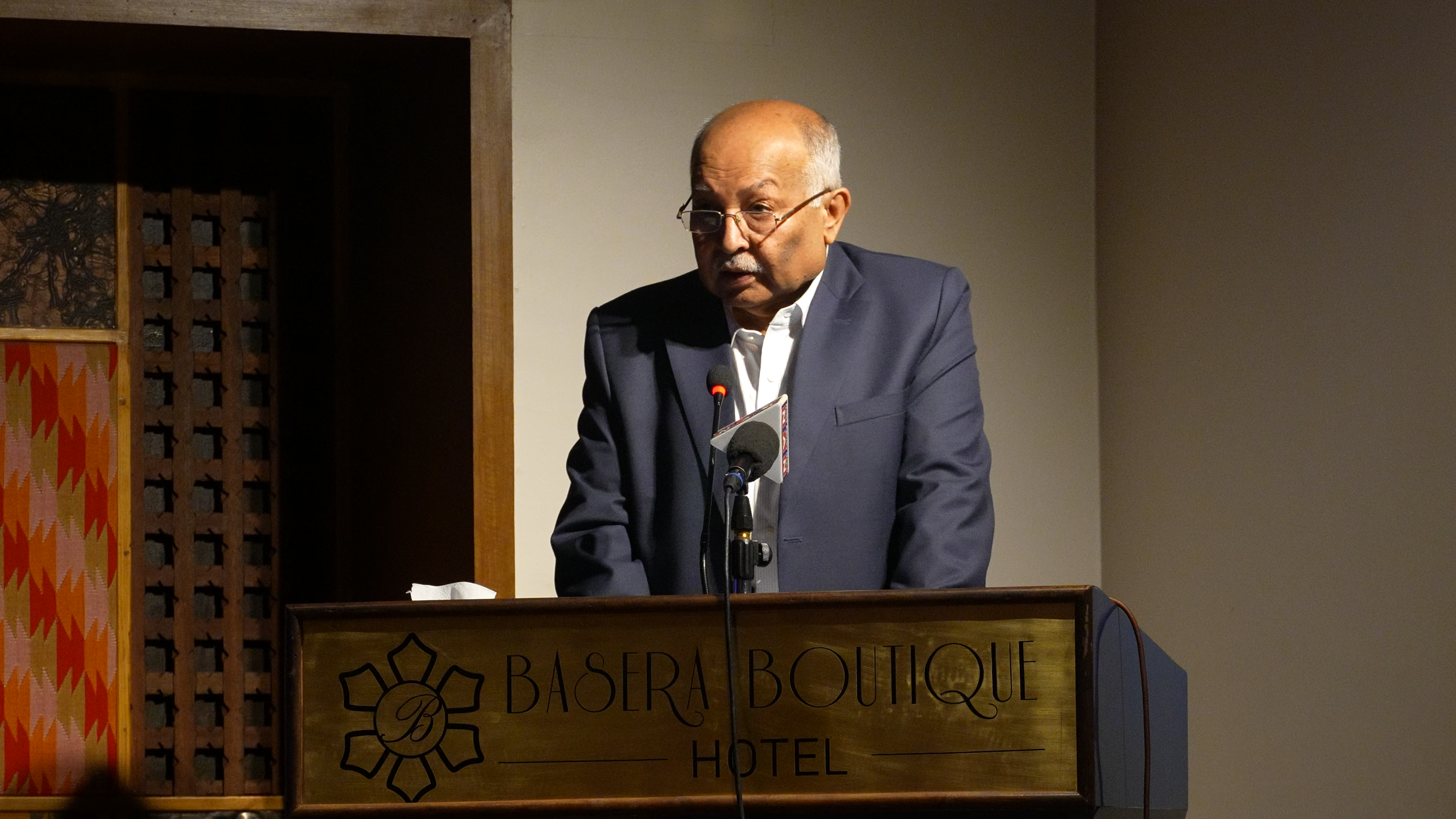 The event commenced with welcome remarks by Amb. Vijay Kant Karna, Executive Chairperson of CESIF, who congratulated and welcomed Amb. Dalela on his appointment as India’s Ambassador to Nepal. He highlighted the strong foundations of Nepal-India relations and noted several areas where the interests of the two countries naturally converge, including energy, trade and investment, connectivity, disaster response, and resilience building. He also emphasised the importance of charting a common direction for cooperation in these areas, supported by clear timelines and regular follow-up to provide officials with a practical path forward.
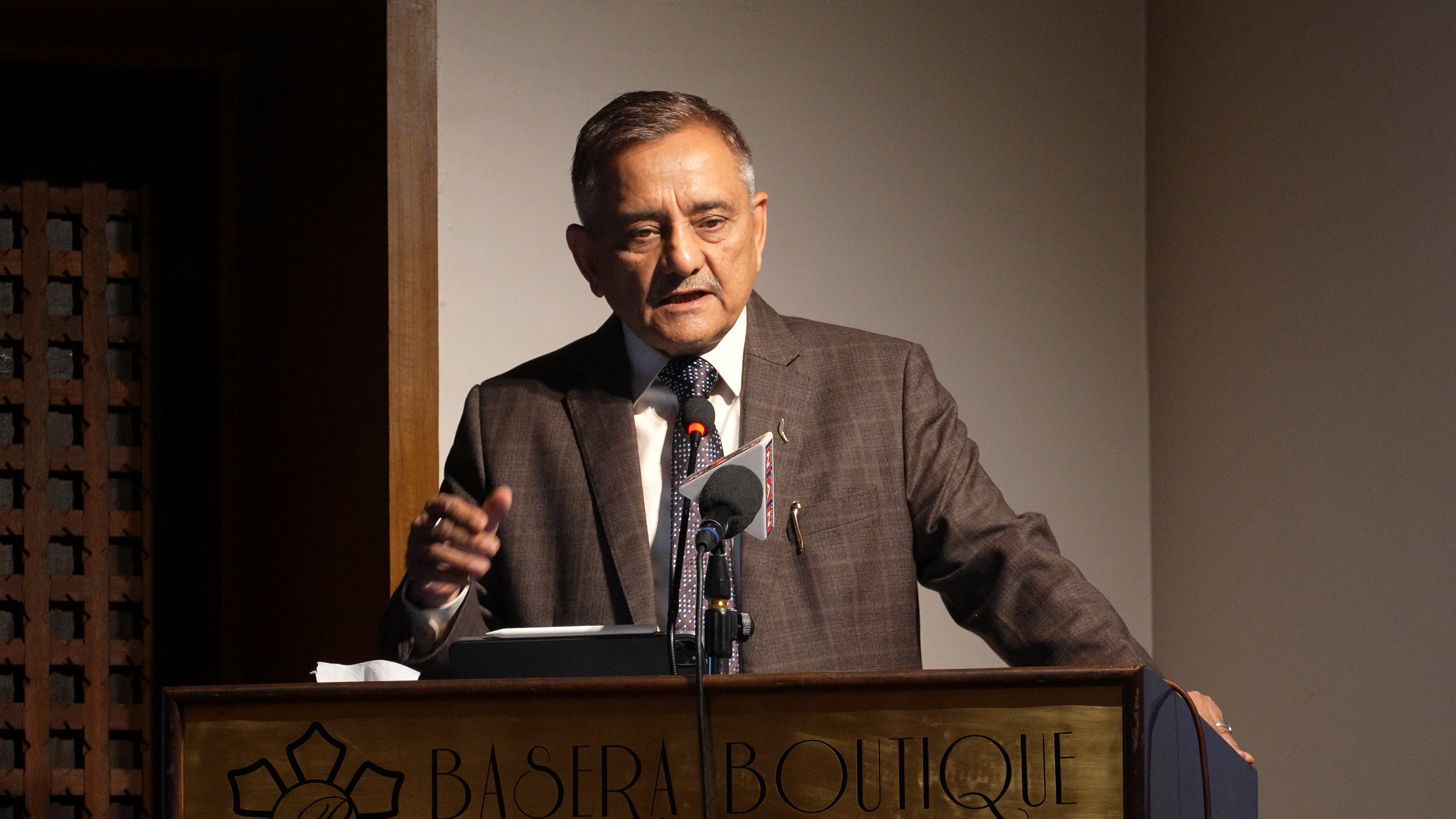 General Anil Chauhan, Former Chief of Defence Staff and Director of the Vivekananda International Foundation (VIF), India, described Nepal-India relations as unique, rooted in longstanding civilizational and cultural ties and deep people-to-people connections that extend beyond formal diplomatic engagement. He noted that the relationship spans multiple dimensions, including security, trade, transit, connectivity, infrastructure development, and disaster response, and emphasised that it must remain grounded in equality, mutual respect, and sensitivity towards Nepal’s independent identity and sovereignty. Reflecting on the changing geopolitical environment, he observed that bilateral relations are increasingly shaped by evolving regional security dynamics, shifting national interests, technological advances, and the changing relationship between major powers.. He also highlighted the growing weaponisation of trade, energy, data, and information, alongside emerging threats in cyber, information, and cognitive domains that are difficult to address through traditional security approaches. Emphasising the need to broaden bilateral engagement beyond government-to-government interactions, he called for stronger collaboration among think tanks, academia, and civil society, noting that “think tanks can provide a platform to exchange perspectives, generate fresh ideas, and discuss sensitive issues that governments may not be able to address directly.” He added that such dialogue could help both countries better understand each other's perspectives, explore new areas of cooperation, and provide fresh momentum and direction to bilateral relations.
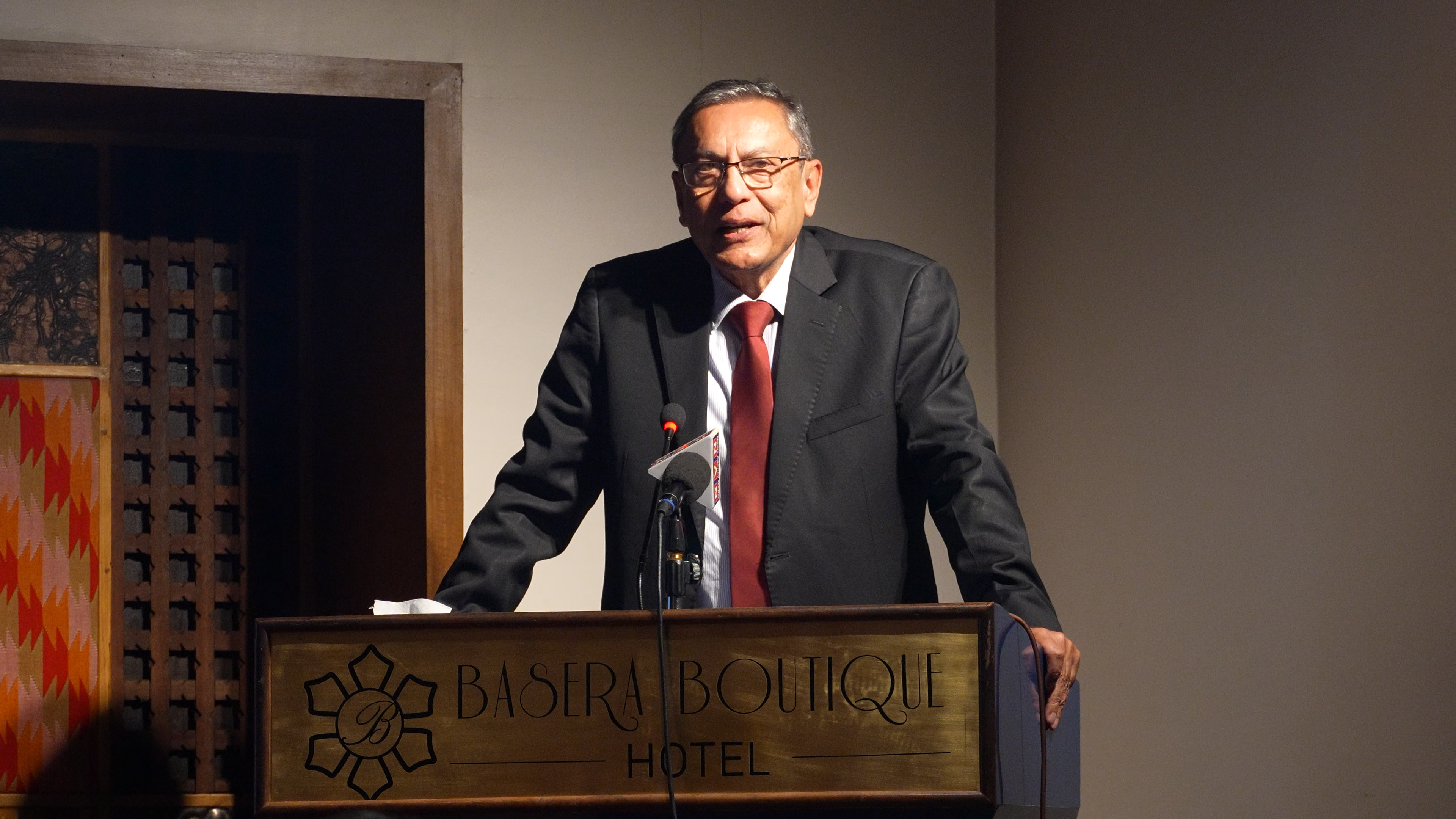 Amb. Ranjit Rae, Former Ambassador of India to Nepal, noted that the multilateral system is under strain, with ongoing conflicts and global developments increasingly affecting the interests of both countries. He emphasised the need for Nepal and India to work together to address these shared challenges. Reflecting on the September 2025 Gen Z movement, he described the emergence of a new generation of dynamic leaders, focused on the country’s economic development and unburdened by the political baggage of the past, as a moment of hope for Nepal and an opportunity to advance bilateral relations. He highlighted the importance of the Prime Minister’s upcoming visit to India in building mutual trust through direct engagement and face-to-face interactions. He also called for expanding bilateral cooperation into new areas, particularly climate change and its growing impacts, recalling India’s humanitarian assistance and disaster relief (HADR) support to Nepal following the earthquake and the Bhotekoshi disaster. He concluded by stressing the need for both governments to develop a shared vision for each sector, supported by clear strategies and targets.
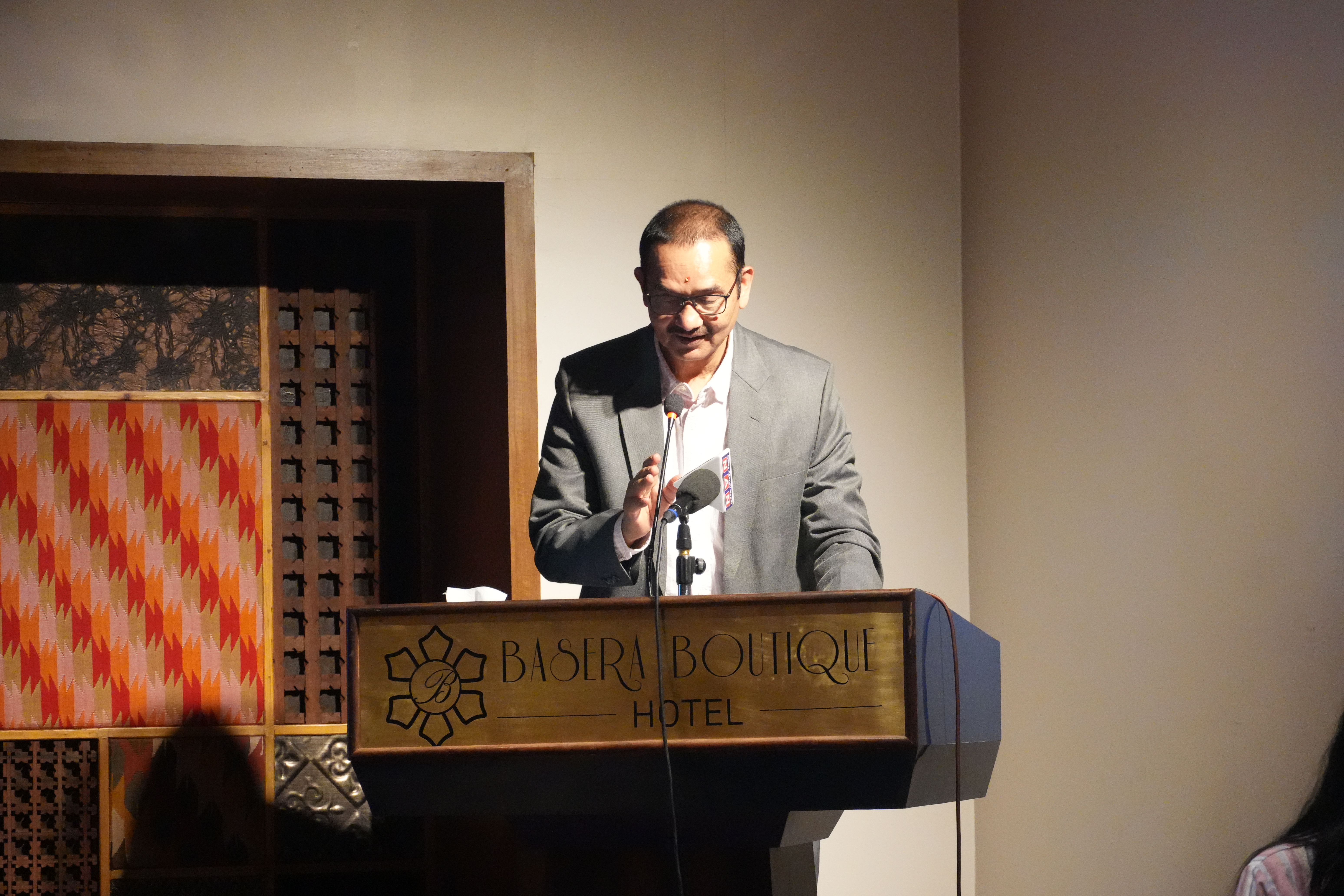 Dr. Govind Pokharel, Former Vice Chairperson of the National Planning Commission, highlighted the importance of aligning Nepal’s development priorities with India’s economic growth and infrastructure development, given the close geographical and economic ties between the two countries. Reflecting on the history of bilateral development cooperation, he noted progress in hydropower development and cross-border electricity trade, including Nepal’s access to India’s day-ahead electricity market. He identified further opportunities to expand cooperation in energy, trade, agriculture, and connectivity. In the energy sector, he stressed the need to facilitate private sector participation in cross-border electricity trade, attract greater Indian investment in hydropower, and move forward with long-pending projects by resolving outstanding issues related to water sharing and the distribution of costs and benefits. He also called for improved air connectivity, mutually recognised quality-testing laboratories to facilitate agricultural trade, and better arrangements for cross-border migrant workers. Finally, he emphasised the need to strengthen Nepal’s institutional capacity to negotiate and implement development projects.
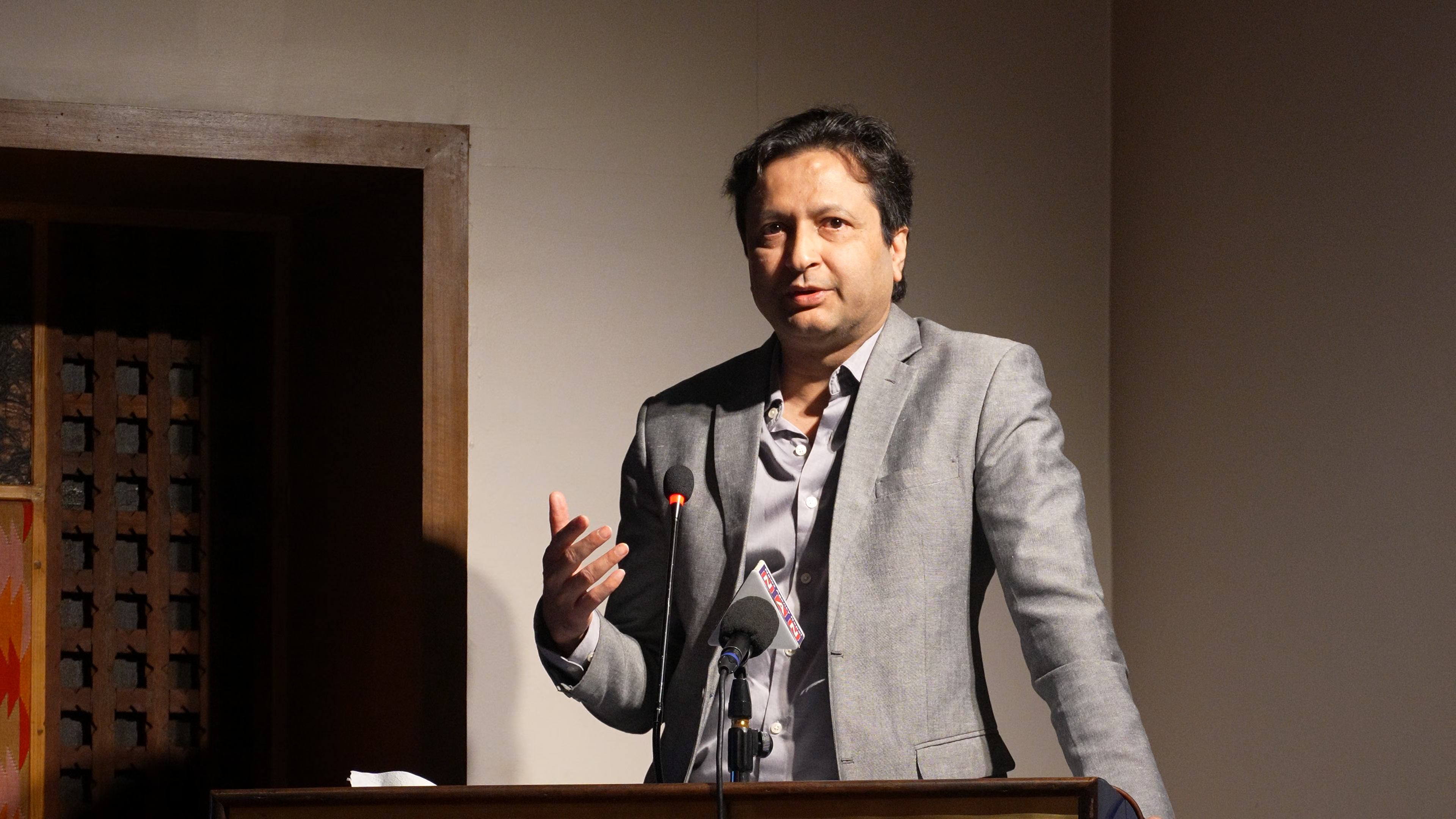 Mr. Ajaya Bhadra Khanal, Former Chief Advisor to the Prime Minister and Research Director, CESIF, highlighted the inherent political and economic contradictions in Nepal-India relations, noting that while anti-Indian nationalism has periodically shaped Nepal’s domestic politics, particularly since the 2015 Constitution, the country remains dependent on cooperation with India to advance economic development. Despite these political differences, the past decade has seen considerable progress in physical connectivity, infrastructure and bilateral agreements, creating an opportunity to move Nepal-India relations into a new phase. On the economic front, he noted that greater connectivity and duty-free access have not necessarily translated into improved market access for Nepali goods, contributing to the growing trade deficit and economic dependency. He stressed the need to shift the focus from competing with India to integrating into its value chains, particularly in neighbouring states such as Bihar, Uttar Pradesh, West Bengal and Uttarakhand. This would require harmonising standards, addressing non-tariff barriers, attracting Indian investment, promoting joint ventures and strengthening cooperation in hydropower, digital services and tourism. He also cautioned against the risk of Nepal becoming overly dependent on India as a single market for its hydropower exports, emphasising the importance of predictable policies, reliable market access and political trust. He concluded by calling for a shift from dependency towards interdependency, arguing that closer cooperation with India is essential for Nepal to capitalise on emerging economic opportunities and navigate wider geopolitical and global uncertainties.
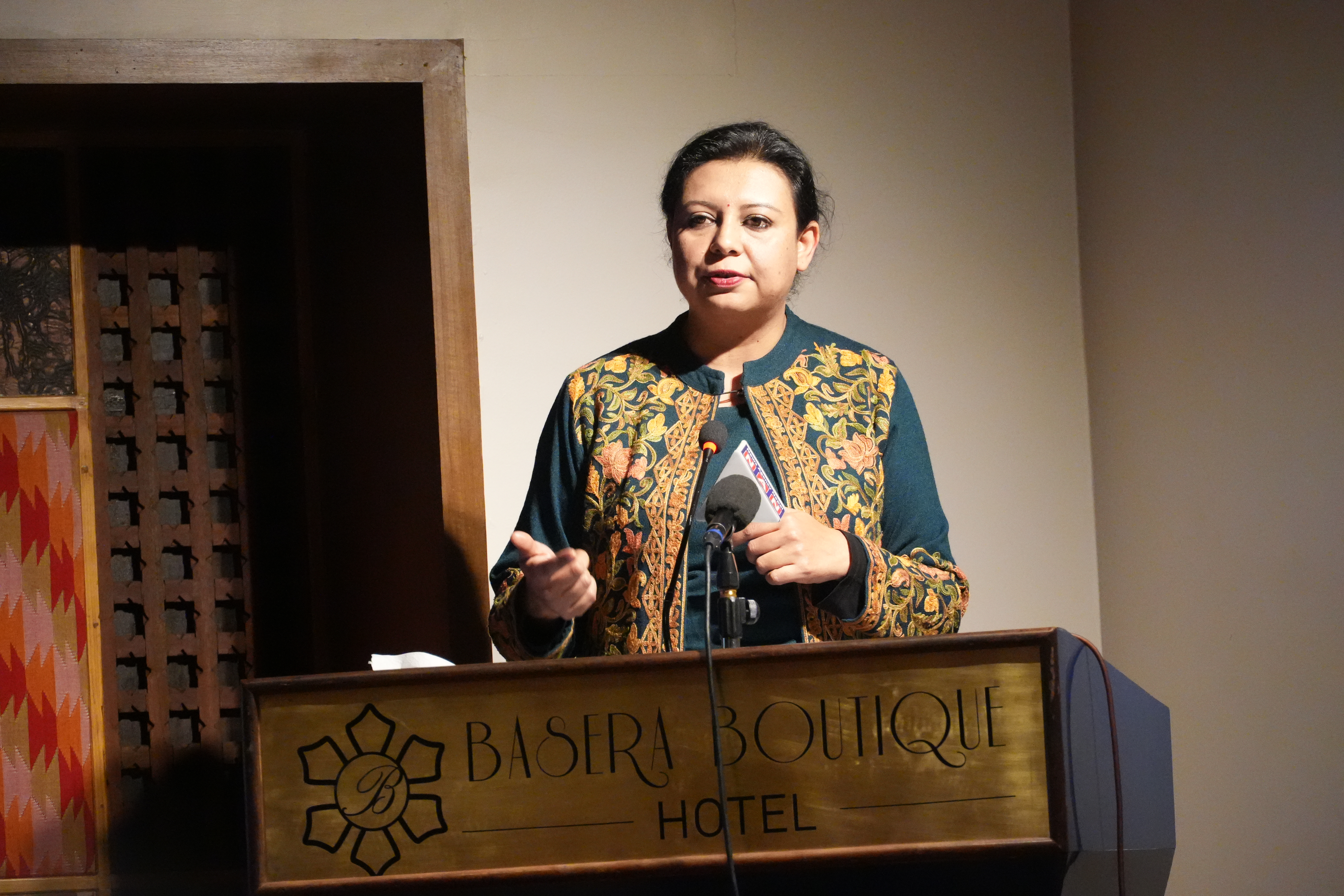 Ms. Arpita Nepal, Co-founder of Samriddhi Foundation, examined bilateral investment flows and questioned viewing foreign capital through a dependency lens. Pointing out that manufacturing accounts for 39 percent of India's foreign direct investment stock in Nepal, she warned that relying on tariff differentials alone will not sustain job growth. She urged policymakers to harmonize tariffs, enforce intellectual property rights, and review Nepal's rigid labor laws alongside cross-border labor discrepancies. Across other sectors, she proposed evaluating energy investments through climate adaptation and a broader coalition across the Himalayan range, enacting data-sovereignty and privacy laws aligned with India. Nepal's cheap power and water can attract data centers, clear quarantine and certification hurdles in agro-processing, and channel Indian capital and technology transfer. She also called for transparent channels to track informal SME investment across the open border, which would help ease security suspicions on both sides. On political economy, she warned that complex tariffs and protectionist rules breed rent-seeking ties between political elites and favored firms, while simple, cross-border-aligned rules attract productive capital without costly oversight.
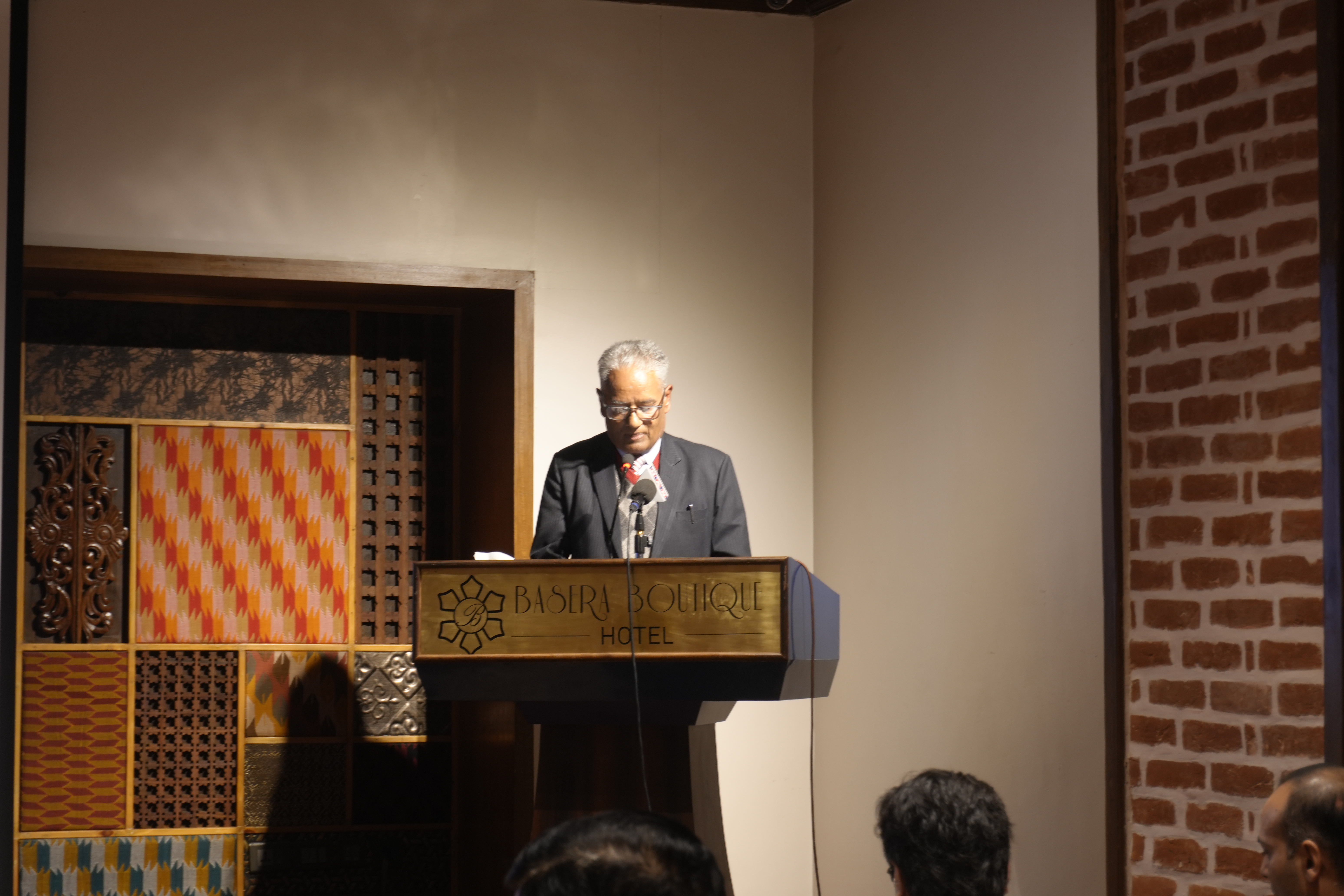 Mr. Purushottam Ojha, Former Secretary, Ministry of Industry, Commerce and Supplies, traced bilateral trade agreements from 1792 through the 1950, 1960, 1978, and 1996 treaties to show how India remains Nepal's number-one trading partner. Department of Customs figures from the first three months of this fiscal year show India taking 84 percent of Nepal's exports and supplying nearly 60 percent of its imports annually. While tariffs have largely receded under duty-free provisions, he pointed out that mutual irritants still hold back trade. Nepali exporters face non-tariff hurdles on tea, quota-restricted items, and jute products hit by both anti-dumping duties and labeling rules. Indian officials raise concerns over Nepal's agricultural reform fee, erosion of tariff preferences, trademark and intellectual property violations, and informal border trade. Building on inland waterway access granted under the 2023 Transit Agreement through river ports at Banaras, Kalughat, and Sahibganj, he urged pairing physical transit links with customs digitization. Focus should be on export growth, tourism services, electricity, digital trade, and specialty farm goods rather than bulk crops. Because WTO multilateralism has weakened, SAFTA and BIMSTEC trade talks have stalled, and the 2011 bilateral investment pact (BIPPA) has fallen dormant. He recommended revising the current Treaty of Trade into a broader agreement covering investment, trade facilitation, production sharing, customs cooperation, SMEs, and binding dispute resolution.
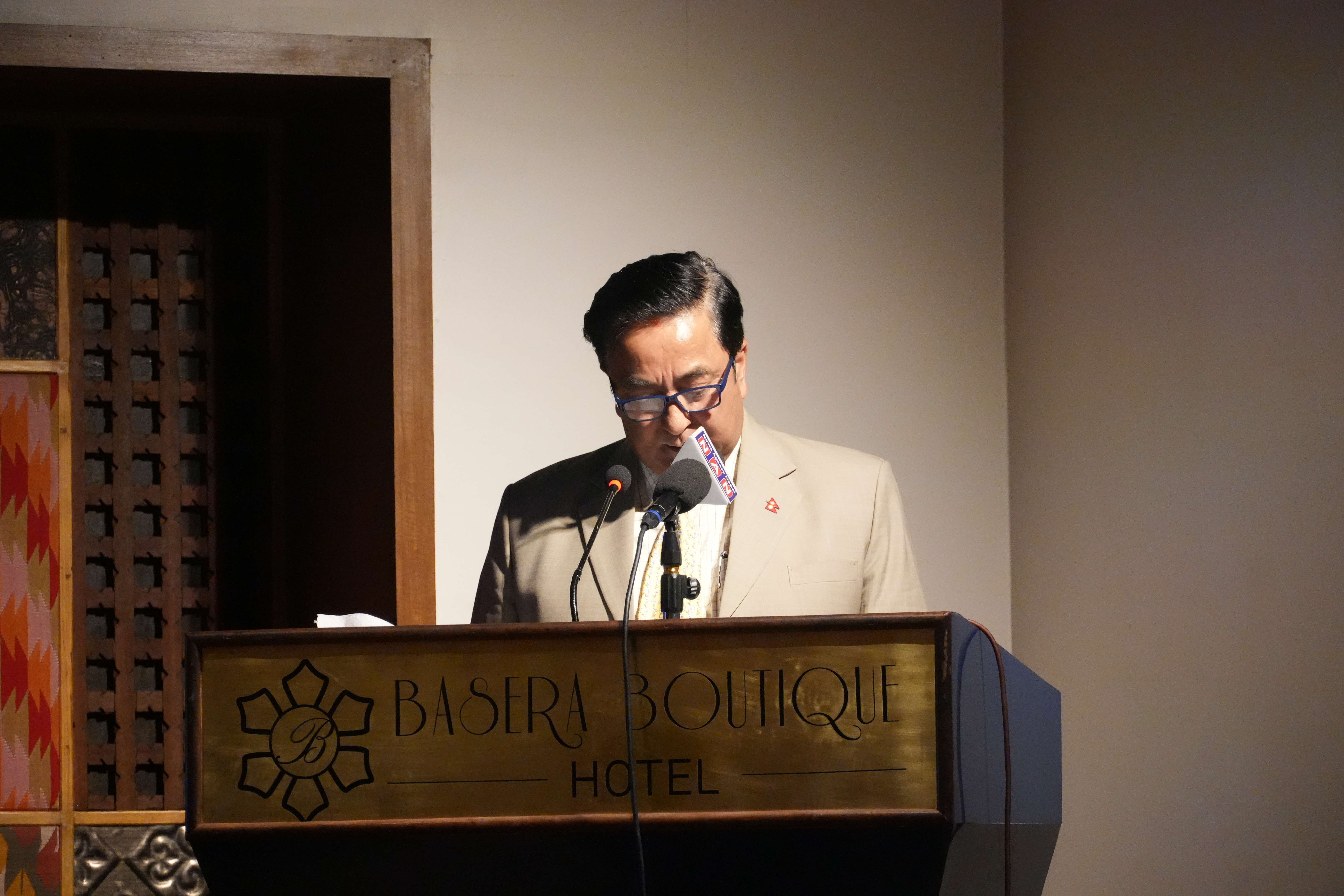 Maj. Gen. Binoj Basnyat (Rtd.) argued that translating Nepal's 182-seat mandate in parliament into lasting results requires pairing governance and economic reforms with a coherent framework for national security, strategic coordination, and "century diplomacy." Reviewing the government's March 2026 100-Point Governance Reform Agenda alongside the RSP's 2026 manifesto, he observed that the operational agenda treats security in pieces rather than as a unified strategy. Instead of setting up parallel bodies, he proposed empowering the constitutional National Security Council with a dedicated secretariat of specialists under the Prime Minister to link defense, internal security, diplomacy, economic security, cyber resilience, and disaster preparedness. Turning to India-Nepal ties, he contended that the two countries do not need more bilateral bodies beyond the 40-plus mechanisms, and should instead consolidate overlapping groups, set measurable priorities, and escalate technical deadlocks to political leaders. Recalling former Indian President A.P.J. Abdul Kalam's 2010 warning in New Delhi that India will not wait if Nepal fails to use its resources and time, he favored "revisiting" rather than "resetting" ties. He proposed institutionalizing an annual Prime Ministers' summit rotating across cities in Nepal and India atop a four-tier execution structure with a joint implementation review mechanism.
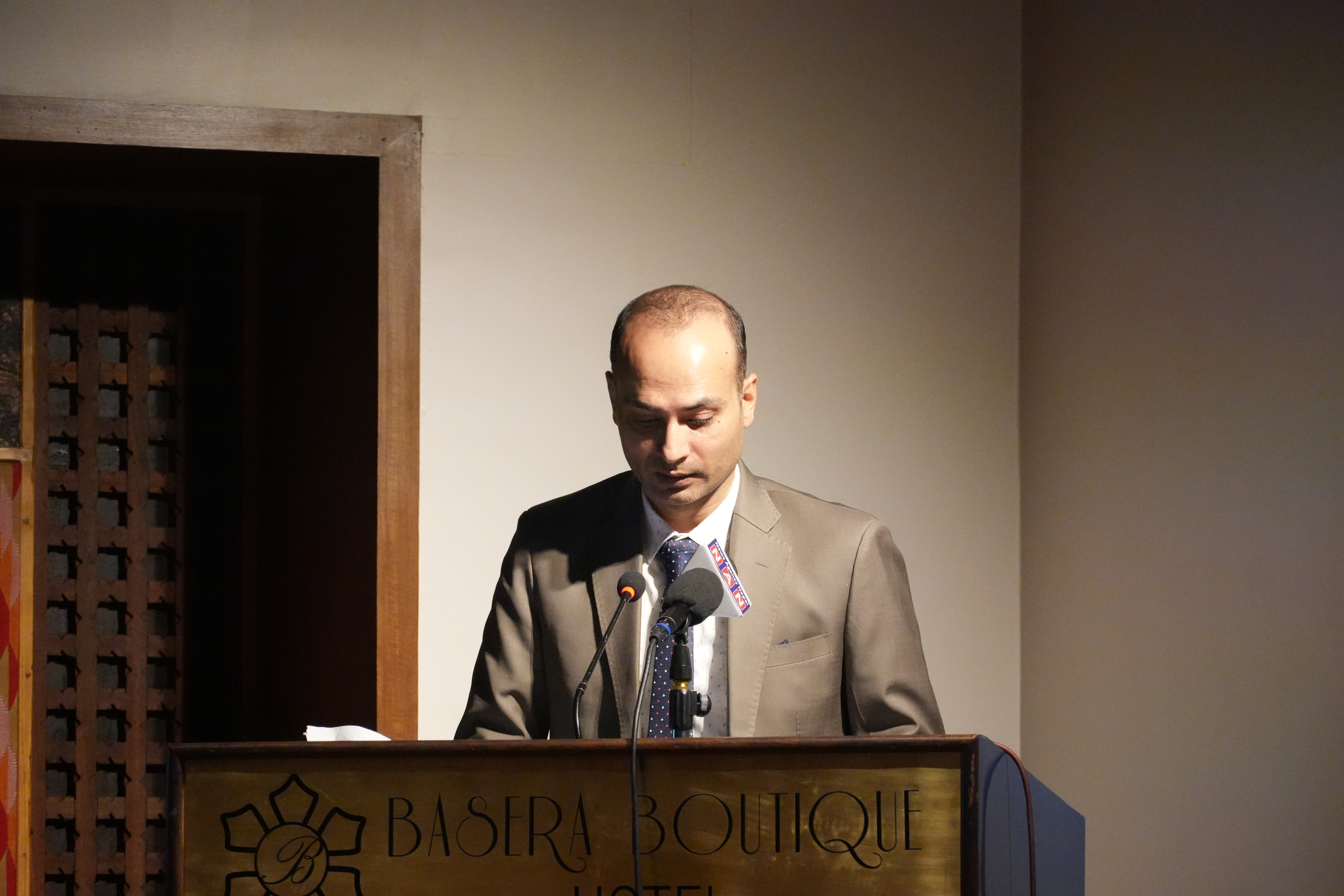 Mr. Anurag Acharya, outlined five priority areas for India and Nepal ahead of the Nepali Prime Minister's upcoming visit to India. First, he called for turning existing agreements on Integrated Check Posts (ICPs), pipelines, railways, energy, air connectivity, and cross-border entry points into timely, visible outcomes with clear schedules. Second, he urged expanding economic ties beyond hydropower into niche investments, including food processing, agro-based goods, Himalayan herbs, timber industries in Nepal's mid-hills, and cricket infrastructure to spur tourism. Third, he stressed maintaining regular dialogue through existing mechanisms on sensitive matters. Fourth, he pointed to immediate gains in digital payments, banking integration, and cross-border roaming services for students, workers, tourists, and families. Fifth, he advocated scaling up environmental and climate cooperation, spanning early warning systems, resilient hydropower, groundwater and mountain freshwater management, and bilateral firefighting collaboration. He concluded by noting that Nepal's engagement with other neighbors and development partners does not conflict with India's cross-border security or regional stability interests.
The program witnessed participation from embassy officials, diplomats, ambassadors, army chiefs, generals, academicians and media.
